Lost the front of your foot? How a silicone foot prosthesis supports balance
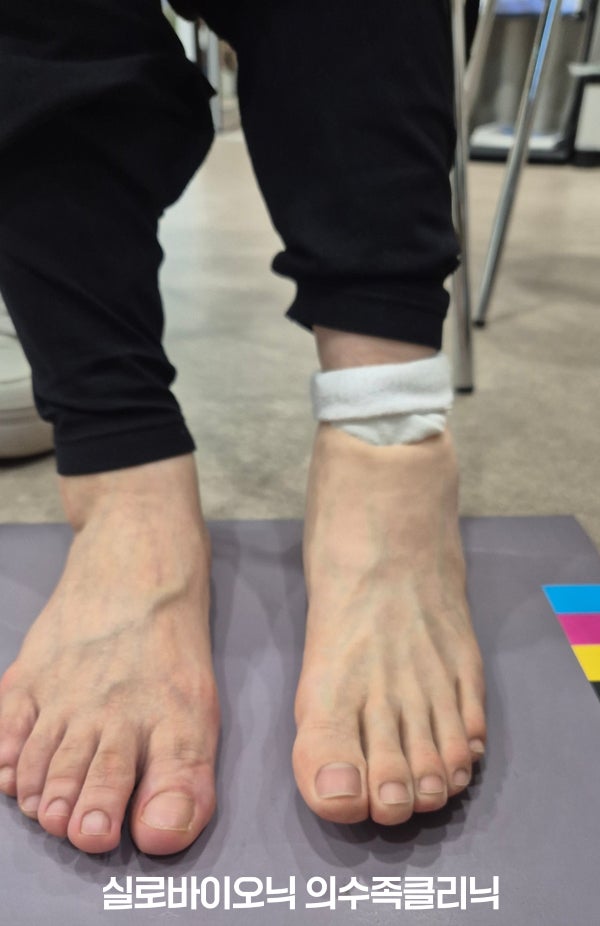
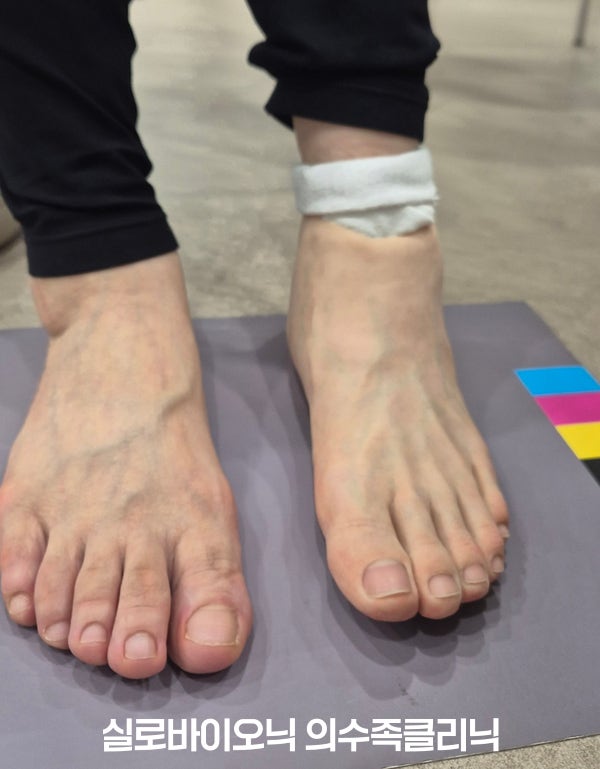
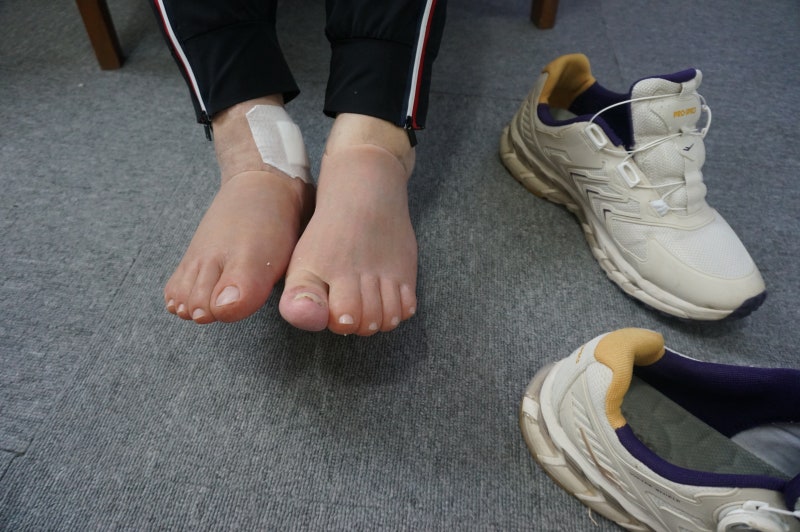
Customer story: a silicone prosthesis after losing the front of the foot — moulded from the other foot, firm underfoot, soft inside, tested with a check socket.
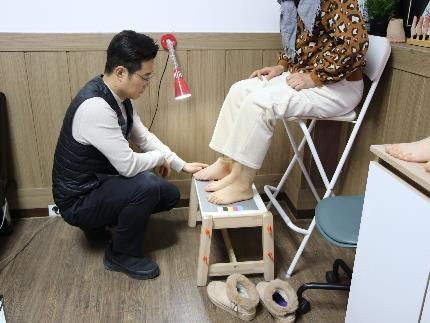
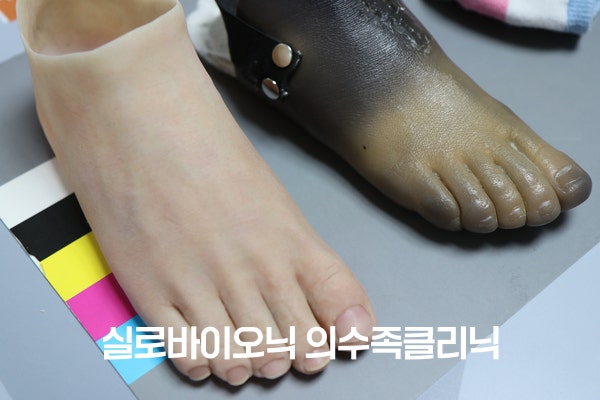
A silicone partial foot prosthesis restores the shape of a foot that has lost its front part — from several toes to the forefoot or more. It copies your other foot on the outside, fills the inside to fit your foot, protects the end of the foot and supports it inside your shoe.
Typically three visits and about 4–6 weeks from consultation to delivery. A rapid option of 1–2 weeks may be possible, depending on your case.
We take a mould of your affected area and your other side, scan in 3D, and measure your skin tone with E-SKIN digital skin-tone matching (SPECTROMATCH, UK).
You try a check socket (a trial socket) so we can confirm fit, length and shape before the final piece is made.
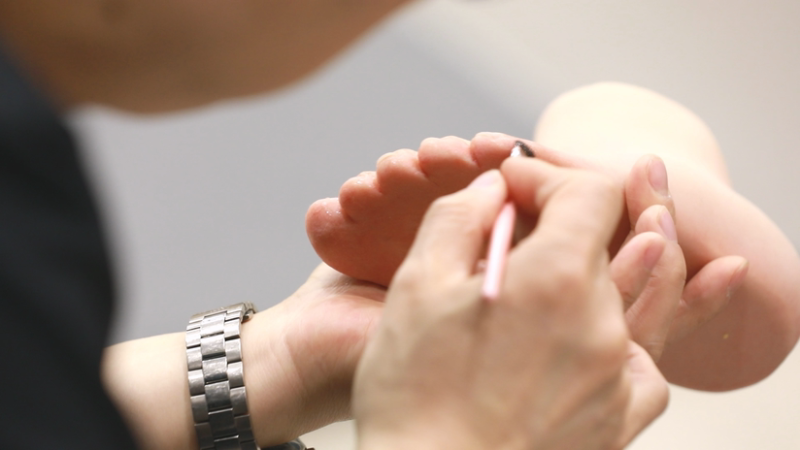
Colour and details are finished by hand, and we fit the finished prosthesis with you and explain how to care for it.
We make the silicone softer where it touches your foot and firmer underfoot, and adjust the sole while watching you walk at the check-socket stage.
Photographed under the same conditions. Results vary from person to person.
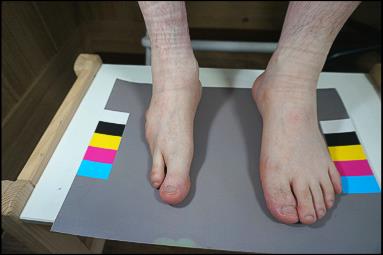 Before
 After
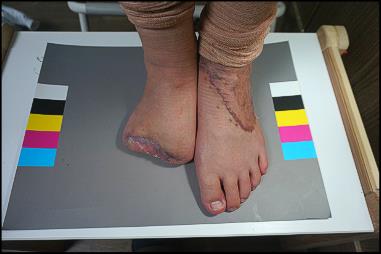 Before
 After
We do not publish prices, because every prosthesis is made for one person. What it costs depends on:
Send us photos and we will give you a personalised quotation before you book any travel.
Consultation is available in English by WhatsApp and email. Send clear daylight photos of your affected area and your other side, and tell us what you would like to do again. We reply with an honest assessment, the recommended prosthesis, the expected number of visits and a personalised quotation — before you book any travel.
AYes. Even when only part of the heel remains, we can make a silicone foot prosthesis that fills the inside to fit your foot and copies your other foot on the outside.
AIt supports the foot inside your shoe, but the effect on walking varies with the level of amputation and from person to person. We check walking and comfort at the check-socket stage.
AA PVC prosthesis costs less but can stiffen and darken over time. Silicone fits softly and has more give, though it can stretch or tear with long use.
ATell us what bothered you about your previous one and we will take it into account. We take a fresh cast and design a new prosthesis.
ATypically three visits and about 4–6 weeks from consultation to delivery. A rapid option of 1–2 weeks may be possible, depending on your case.
AWe do not publish prices. It depends on how much of the foot is missing, the structure needed and the colour work. Send us photos for a personalised quotation.
Customer story: a silicone prosthesis after losing the front of the foot — moulded from the other foot, firm underfoot, soft inside, tested with a check socket.
Foot prostheses are made in PVC or silicone. How the two compare on comfort, sweat, cushioning and ageing, and which kind of wearer each tends to suit.
After decades of pain with earlier prostheses, one customer had a silicone foot prosthesis refitted. How gait, alignment and a check socket shaped it.
A customer story: a silicone foot prosthesis for a congenital foot where only the heel formed, moulded from the other foot, firm underfoot and soft inside.
Before and after a diabetic foot amputation: daily skin checks, protecting the other foot, step-by-step rehab and what we check when fitting a silicone foot.
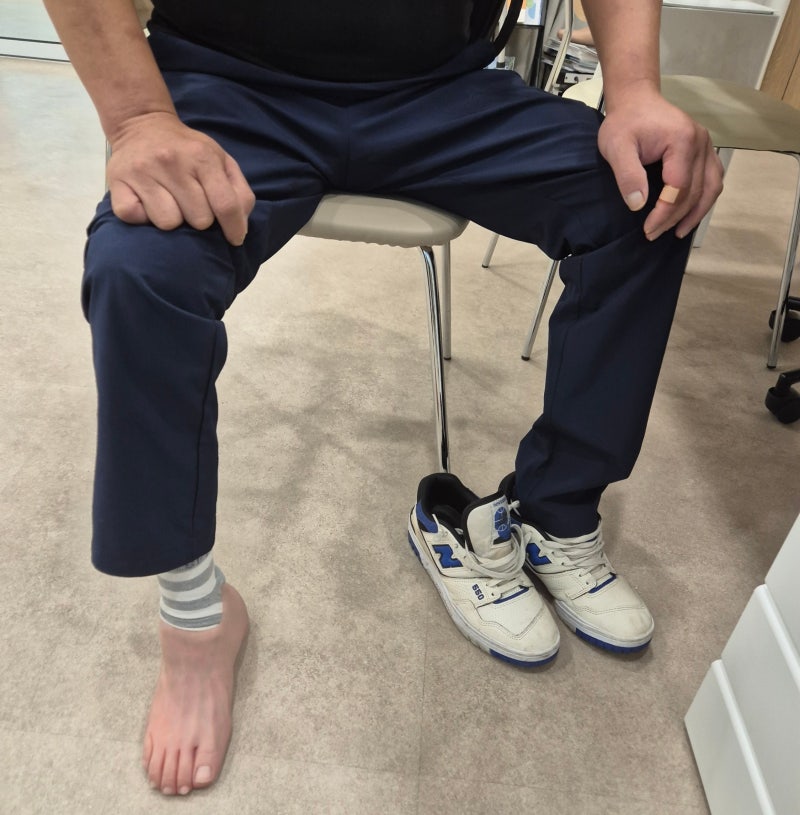
A customer who lost both feet to diabetes swapped a torn, worn foot prosthesis for a new one with a firmer sole. What we changed, and what to check.
Send us a photo.
We'll tell you honestly.
Share a photo of your affected area and a short note about what you would like to do again. We will recommend the right solution, the expected timeline and a personalised quotation.