

What does a microprocessor knee do in an above-knee prosthesis?
A microprocessor knee reads knee angle and gait phase and adjusts hydraulic resistance in real time. How it compares with a mechanical knee and who it suits.
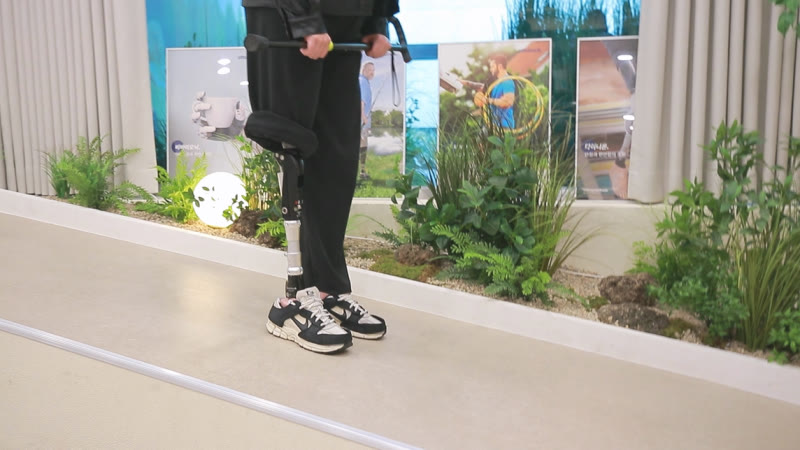
For amputation above the knee or at the knee joint. When the socket holds you comfortably and the knee and foot work as one, both standing and walking become confident.
An above-knee prosthesis has a socket, a prosthetic knee, a pylon and a foot. The higher the amputation, the more the socket design matters — and the knee and foot are chosen together, around how you spend your day.
A custom socket that carries your weight at the thigh, refined by wearing a test socket in daily life.
Socket ↓A knee that holds when you stand and bends smoothly as you walk, with a foot to match.
Knees & feet ↓A silicone waterproof cover over the metal components, shaped and coloured like your other leg.
Waterproof cover ↓ Above-Knee Socket


The above-knee socket carries your weight at the thigh and connects the whole prosthesis. The older the leg, the more important it is to check alignment and posture first. We correct alignment during casting, then you live with a test socket at home for a while before we fine-tune leg length and thigh pressure and make the final leg.
 Prosthetic Knee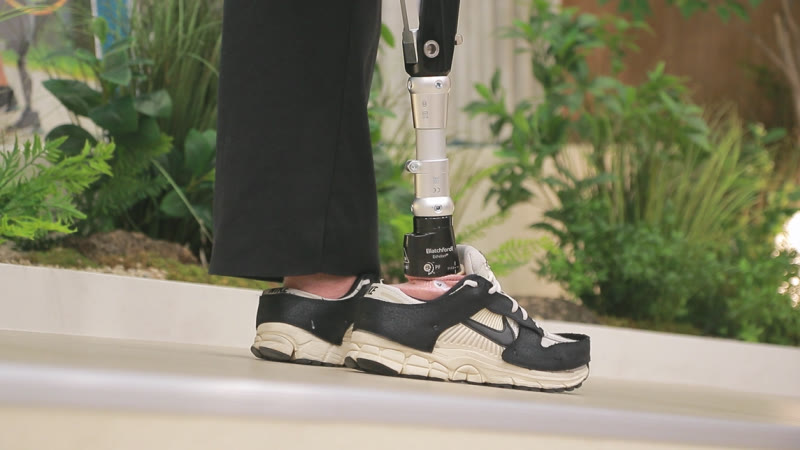

The prosthetic knee supports your weight when you stand and bends and straightens as the leg swings forward. Each type trades stability, natural movement, maintenance and cost differently — a knee is chosen by how you live, not by a spec sheet.
Keeps the knee straight while you walk. Very stable, though the gait can feel stiff.
SuitsPeople for whom not falling comes first
Friction and similar mechanisms control how fast the knee bends. Simple, and no charging.
SuitsMostly indoor life, or a light leg as the priority
Hydraulics control bending and straightening, so movement stays smooth as walking speed changes. Some include a lock that resists buckling when straight.
SuitsWalking indoors and out at changing speeds
e.g. Total Knee 2000
Switching to a hydraulic knee →Sensors read knee angle and gait phase and change hydraulic resistance in real time — yielding slowly on stairs and slopes. Some offer cycling and locking modes.
SuitsFrequent stairs and slopes, and able to keep up with charging and check-ups
e.g. Imasen MCK
About microprocessor knees →| Mechanical knee | Microprocessor knee | |
|---|---|---|
| Resistance | Pre-set; adjusted by hand if needed | Changes in real time with sensor readings |
| Going down stairs & slopes | Varies with product and skill | Yields slowly to help you control descent |
| Care | No charging; relatively simple | Regular charging and electronic check-ups |
| Consider | Lighter and lower cost | More weight and cost — weigh against activity |
General characteristics; products within each type differ. Sometimes called an “AI knee”, it is more accurately an electronically controlled knee that changes resistance from sensor data.
 Silicone Waterproof Cover


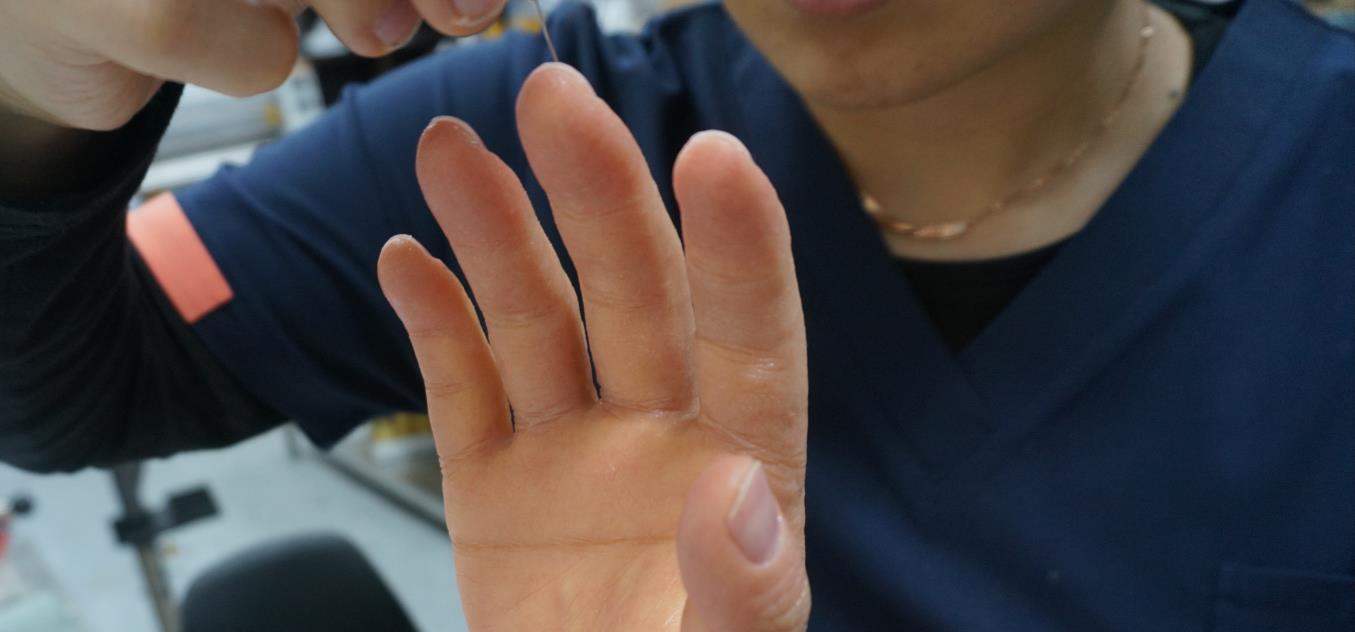
A leg prosthesis has metal connectors that can rust or corrode if water reaches them often. Our silicone waterproof cover is made to fit your prosthesis and your leg: it shields the components from water and dirt, and matches the shape and skin tone of your other leg so you can wear shorts with confidence.
Questions we hear most in consultations, and real fittings from our clinic.
A microprocessor knee reads knee angle and gait phase and adjusts hydraulic resistance in real time. How it compares with a mechanical knee and who it suits.
A customer moved from a very old conventional above-knee prosthesis to a hydraulic knee. Knee types explained, and how a check socket helped with adapting.
An above-knee socket had become smaller than the limb, making it hard to put on and insecure. We remade it with matched alignment and a soft silicone inner.
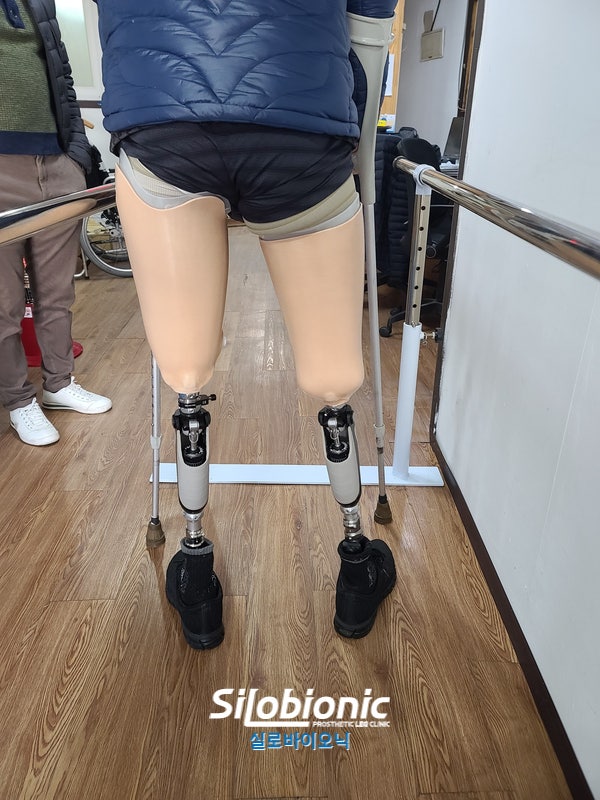
Amputations above both knees: two prostheses with a hydraulic single-axis knee and a seal-in liner. How the knee works, and how the early walking test went.
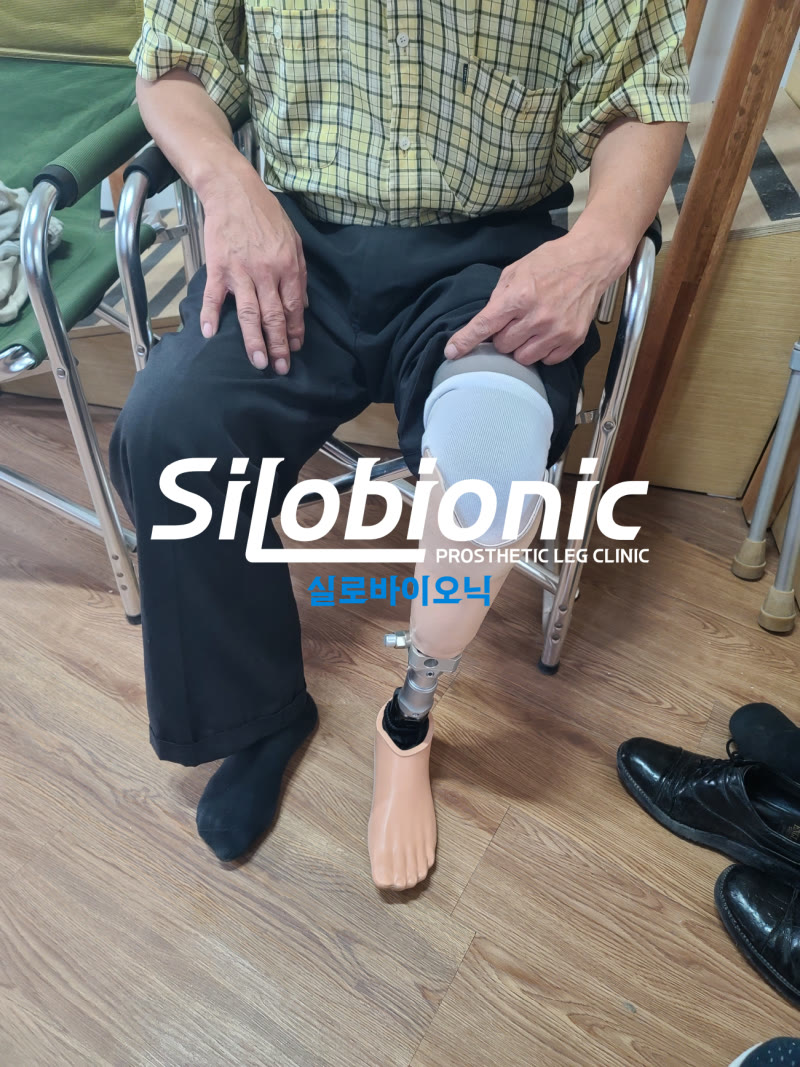
Leg amputation is grouped into five levels, from partial foot to above the knee. How each level changes which joints remain and how a prosthetic leg is built.

From partial foot to above-knee, the level of amputation changes the socket, weight-bearing and components. What differs, and what stays the same.
Share a photo of your affected area and a short note about what you would like to do again. We will recommend the right solution, the expected timeline and a personalised quotation.