How does the level of leg amputation change the prosthesis you need?
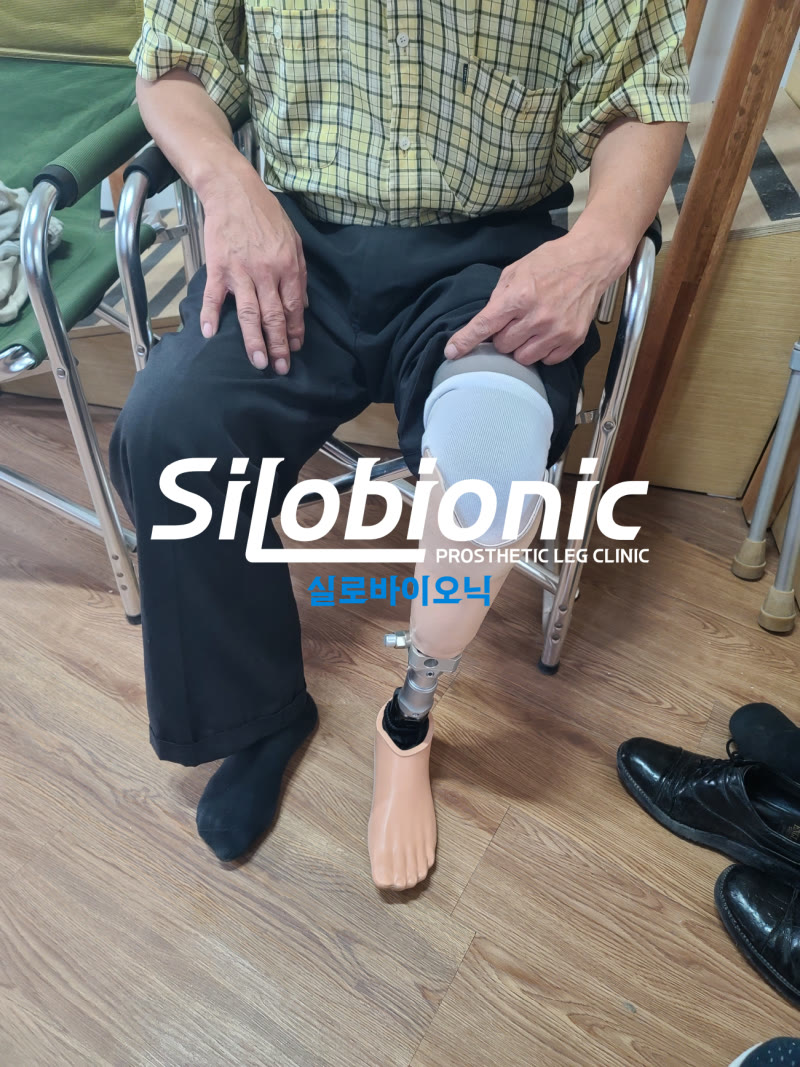
Leg amputation is usually described at five levels: partial foot, ankle, below the knee, through the knee and above the knee. The level decides which joints remain and how the prosthesis is built. If your knee remains, a socket and foot do the work; if not, a prosthetic knee is added.
What does ‘amputation level’ mean?
The amputation level describes where on the leg the amputation was made. When we design a prosthesis, which joints remain matters as much as how much length is left. Whether you still have your ankle and knee shapes how you walk, which components you need and how you adapt.
Unless it follows a sudden accident, the level is decided with your medical team before surgery. Even with the same diagnosis, it varies from person to person depending on the cause and the condition of the blood vessels and skin.
How does the prosthesis differ at each level?
| Level | Main joints that remain | Prosthesis usually considered |
|---|---|---|
| Partial foot | Ankle and knee | Silicone toes, or a custom silicone forefoot or full-foot prosthesis |
| Ankle (ankle disarticulation) | Knee | A prosthesis enclosing the ankle area; the design depends on the limb |
| Below the knee (transtibial) | Knee | A below-knee prosthesis: socket, liner, connectors and foot |
| Through the knee (knee disarticulation) | Hip | A socket with a prosthetic knee |
| Above the knee (transfemoral) | Hip (where it remains) | Socket, prosthetic knee and foot; the higher the level, the more demanding the socket design |
Partial foot and ankle amputation
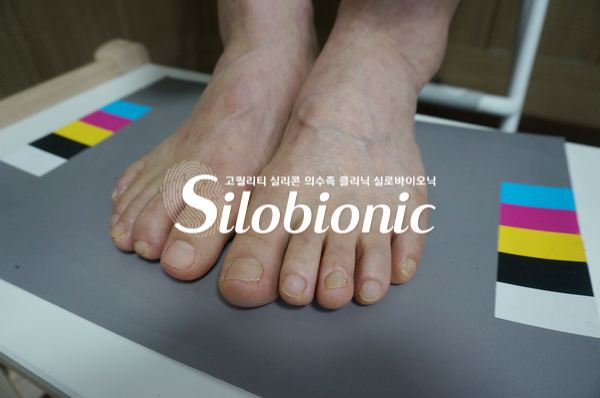
This covers a wide range, from losing a single toe to the forefoot or the ankle area, with many sub-types. At this level, custom silicone prostheses are more common than electronic components. We make just what is needed — just the toes, the forefoot, or the whole foot shape — to fill the space in your shoe and restore the look of the foot.

Below-knee amputation
Here the amputation is through the shin and the knee joint remains. Because you can bend and straighten your own knee, the prosthesis has no knee component: it is made up of a socket, liner, connectors and a foot. Keeping the knee tends to help with stairs and with sitting down and standing up.
Through-knee amputation
The leg is separated at the knee joint. The thigh remains in full and the kneecap usually does too. A prosthetic knee takes over bending and straightening, so the socket and knee are designed together.
Above-knee amputation
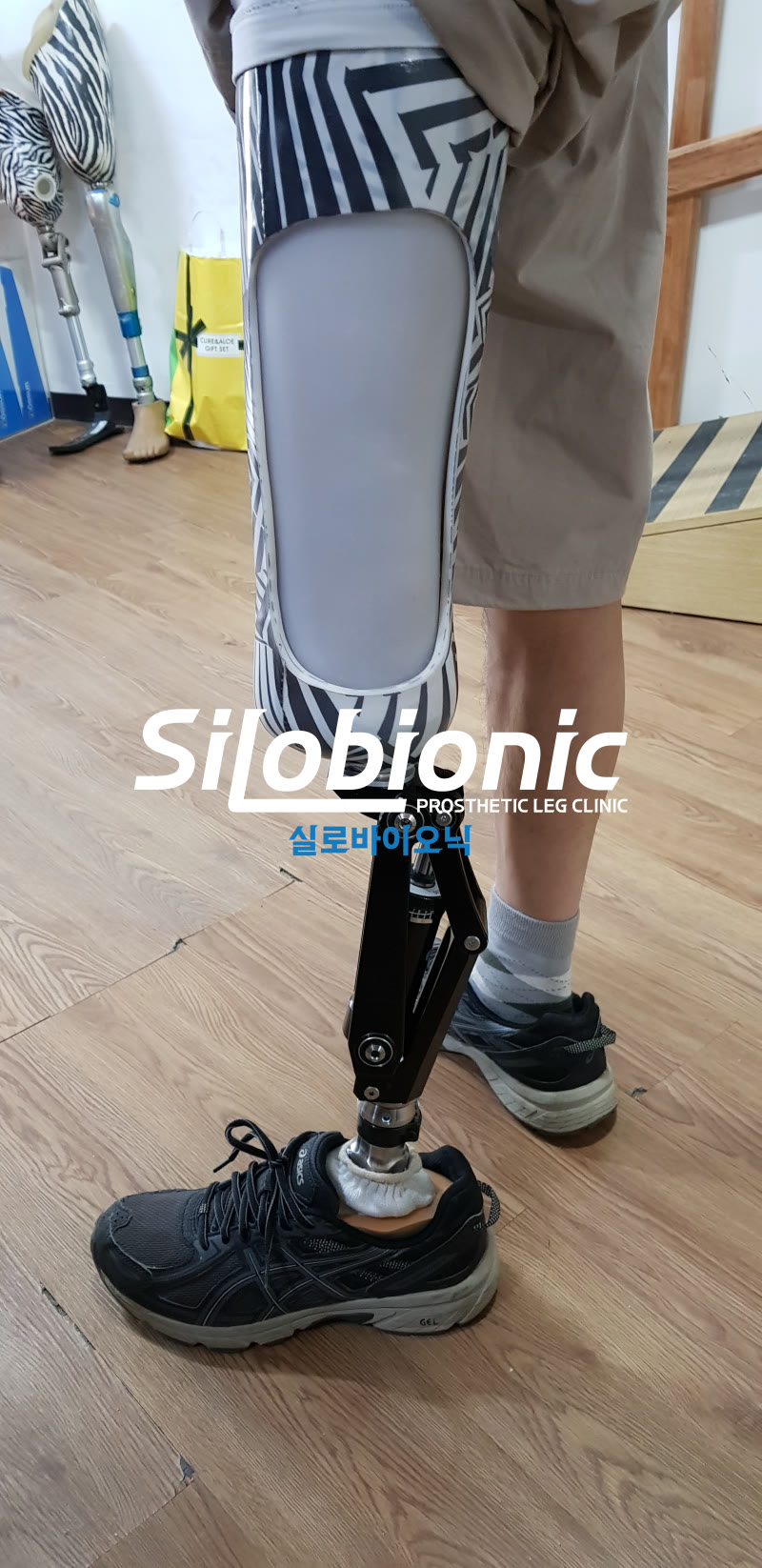
This can be at any height on the thigh above the knee joint. Amputations reaching the hip or pelvis are sometimes grouped here too, with their own specific names. The prosthesis combines a socket, a prosthetic knee and a foot, and the higher the level, the more the way the socket holds on to the body changes.
Why is a leg amputated?
Amputation is considered when other treatment cannot improve the condition and leaving it could put health or life at risk. The aims are to relieve symptoms, preserve function, help you get back to daily life and, above all, protect life.
Common causes include injury, vascular disease and complications of diabetes. Whether to operate, and at what level, is always a decision to make with your medical team.
How does Silobionic help?
Silobionic designs and makes prosthetic legs, from silicone toe and partial-foot prostheses to below-knee and above-knee legs. We start by listening — your amputation level, the shape of your limb and what you want to get back to — then agree the socket and components with you and confirm the fit with a check socket (a temporary trial socket) before completion. If surgery is still ahead of you, an early consultation can help you picture what comes next.
Frequently asked questions
Who decides the amputation level?
Your medical team decides, based on the cause and your condition. If surgery is still ahead, talking to a prosthetics clinic early can help you picture the steps that follow.
What difference does keeping the knee make?
You can move your own knee, so the prosthesis needs no knee component and is usually simpler. How quickly people adapt still varies.
Do I need a prosthesis if I have lost just my toes?
It depends on the person, but silicone toes can restore the shape and fill the space in your shoe. We advise after seeing the foot.
Can I walk with a prosthesis after an above-knee amputation?
Walking is the goal, with a prosthetic knee as part of the leg. How far you can go depends on your condition and rehabilitation, so plan it with your medical and rehabilitation team.