

How does the level of leg amputation change the prosthesis you need?
Leg amputation is grouped into five levels, from partial foot to above the knee. How each level changes which joints remain and how a prosthetic leg is built.
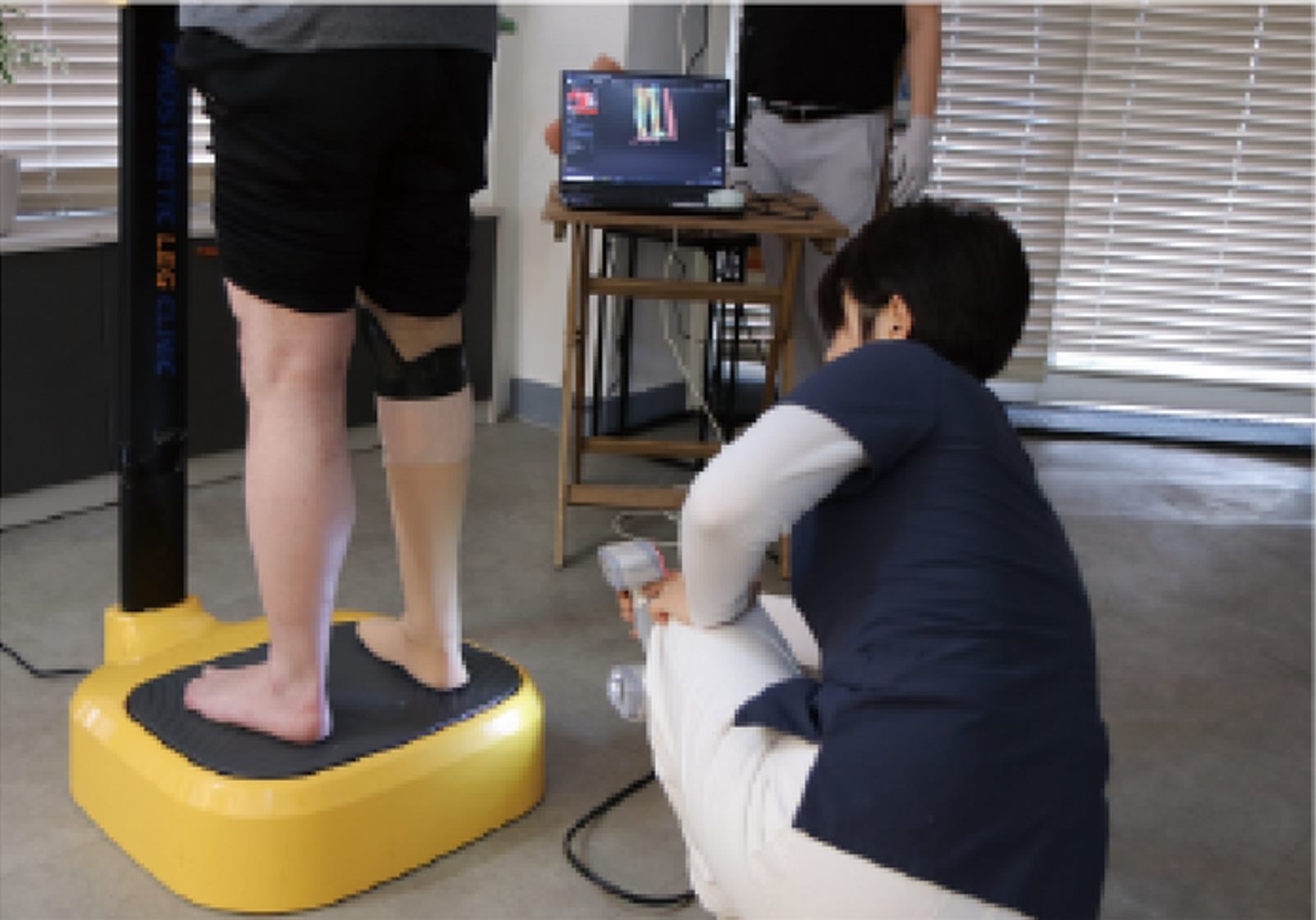
For people with an amputation below the knee, whose own knee remains. A socket that feels right comes first; a confident step follows; and then a look you are happy with. The product types below are arranged in that order.
A below-knee prosthesis is made of a socket, a liner, connecting parts and a foot. The right combination depends on the shape of your residual limb, your skin and how much you walk each day — we decide it together, in this order.
Socket, liner and suspension — the parts that touch your body and shape every hour of wear.
Sockets & liners ↓Foot and ankle, chosen for the ground you walk on, the shoes you wear and your activity level.
Feet & ankles ↓A silicone waterproof cover in the shape and skin tone of your other leg.
Waterproof cover ↓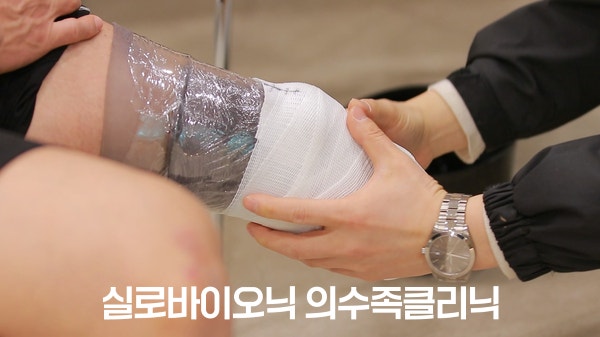 Socket & Liner


The socket connects your residual limb to the whole prosthesis and is made new for each person. If it does not fit, even the best foot cannot do its job. We examine your limb, take a cast, and check a transparent test socket for pressure points and gaps before making the final socket.
A liner with a metal pin clicks into a lock at the bottom of the socket. Mechanically secure, simple to put on, no extra parts.
SuitsA short limb and worry about the leg slipping; wanting easy donning
Pin vs suction →A pinless liner covers the whole limb; air is expelled through a valve and a sleeve seals the top. The whole surface holds the leg, so it tends to feel lighter.
SuitsLong hours standing or walking; a sensitive limb
The front opens so the limb goes in without passing a narrow brim, then straps and buckles close it. A foam inner layer adds cushioning at the limb.
SuitsAmputation close to the ankle with a long limb
An open-socket story →| Liner type | Characteristics | Considered when |
|---|---|---|
| Soft gel (silicone) | Soft gel eases pressure on the skin; focused on comfort | Everyday walking, a wide range of users |
| Thermoplastic gel | Durable and stable; conforms well to unusual limb shapes | Prominent bones, unusual shape or sensitive skin |
| Viscoelastic | Balances shock absorption and recovery; fills contours closely | Pressure must not concentrate in one area |
A liner is a thin sleeve worn on the limb first. There is no liner that suits everyone — thickness and material follow your limb, activity, skin and prosthesis. Liner guide →
 Prosthetic Foot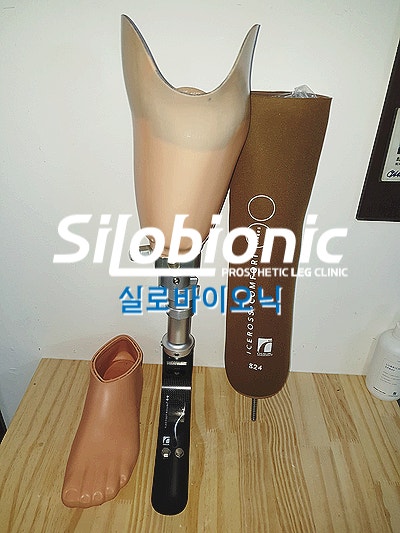


With your own knee, the feel of each step depends largely on the foot. No foot is simply better — it is about the ground you walk on, the shoes you wear and how active you are. A good foot only works on a well-fitting socket, so we look at the socket and alignment first.
The ankle angle stays fixed while a carbon-fibre keel flexes and springs back to push each step forward. Simple and light. For a long residual limb with little room to the floor, a low-profile foot is chosen.
SuitsPeople who mostly wear similar shoes, or want the lightest leg
How we choose a foot →A hydraulic unit lets the ankle tilt smoothly forward and back within a set range, so the sole follows ramps and stairs. Small differences in heel height are absorbed by the ankle.
SuitsFrequent slopes and stairs; people who value stable standing
e.g. Echelon ER
About hydraulic ankles →Unlock the ankle with a button, set the angle to the new shoe, and lock it again. Switch between trainers, dress shoes and sandals without the knee being pushed forward or back.
SuitsPeople who need dress shoes for work or events, or change shoes often
e.g. Pro-Flex LP Align
About adjustable feet →| Fixed-ankle foot | Hydraulic ankle | Adjustable heel height | |
|---|---|---|---|
| Heel-height changes | Set to one heel height at fitting | Small differences absorbed by the ankle | You re-set the angle for larger differences |
| Adjustment | None needed | None needed | Each time you change shoes |
| Everyday life | Mostly similar shoes | Lots of slopes and stairs | Alternating trainers, dress shoes, sandals |
General characteristics. Weight limits, activity levels and water resistance differ from product to product.
 Silicone Waterproof Cover


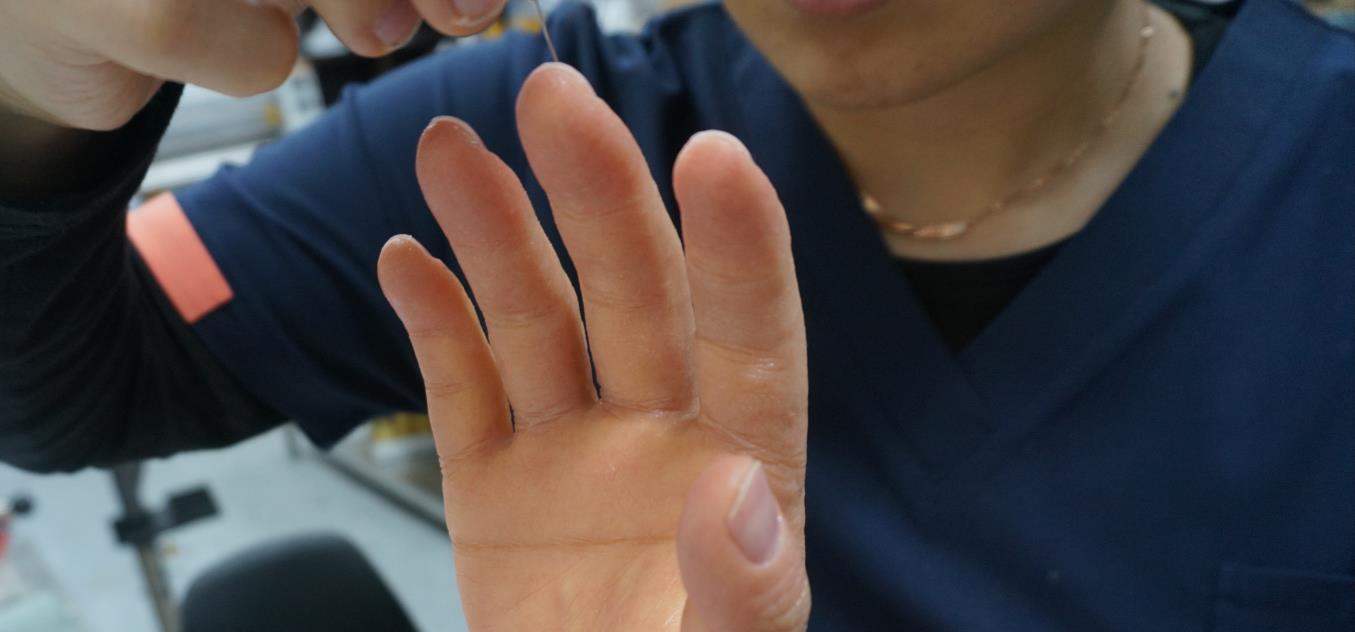
A leg prosthesis has metal connectors that can rust or corrode if water reaches them often. Our silicone waterproof cover is made to fit your prosthesis and your leg: it shields the components from water and dirt, and matches the shape and skin tone of your other leg so you can wear shorts with confidence.
Questions we hear most in consultations, and real fittings from our clinic.
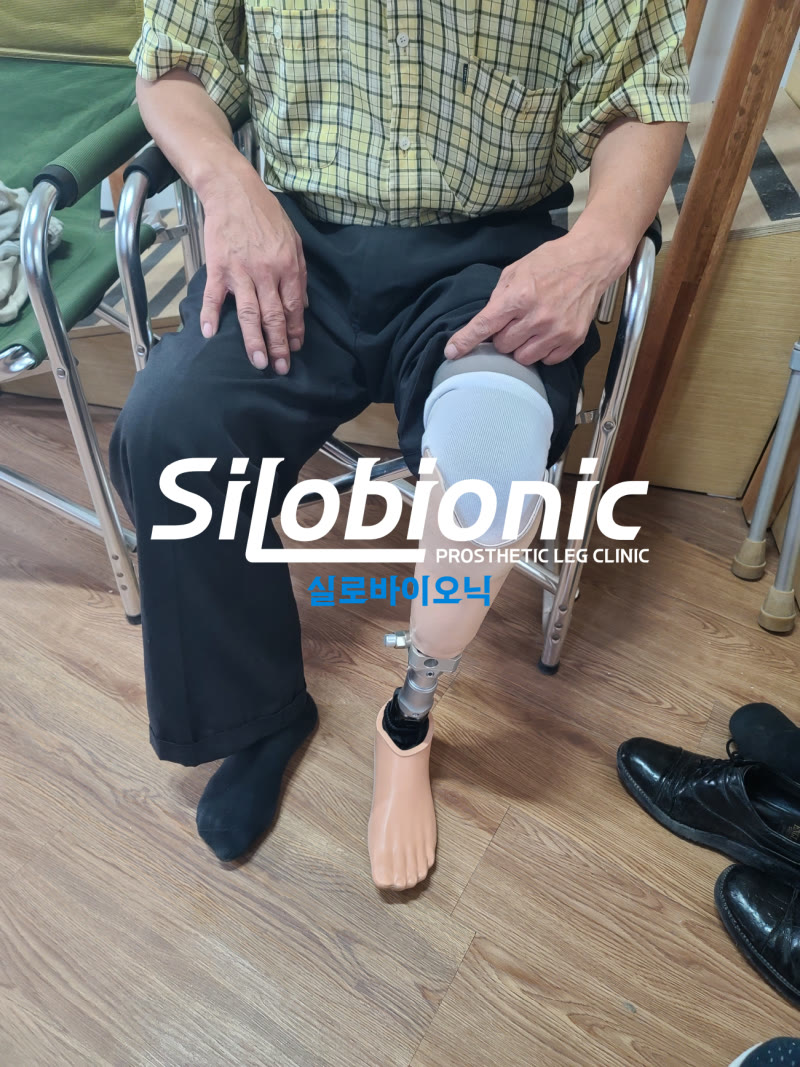
Leg amputation is grouped into five levels, from partial foot to above the knee. How each level changes which joints remain and how a prosthetic leg is built.

As a residual limb changed, a below-knee socket grew loose. How a new carbon fibre socket, an active-use foot and alignment tests on ramps and stairs helped.

A customer with a short below-knee limb kept a conventional socket but switched from a wooden foot to a carbon fibre foot. What changed, and how to choose.

One customer’s below-knee prosthesis after a diabetes-related amputation: from a walking frame to slopes and stairs, with check-ups every three months.

Arriving with a walking stick, our customer regained comfortable walking through repair, not a new prosthesis. Why limbs change, and signs to watch for.

Keeping the knee gives below-knee amputation a relatively good start. Many people travel, hike or run once walking is steady. What to check before a trip.
Share a photo of your affected area and a short note about what you would like to do again. We will recommend the right solution, the expected timeline and a personalised quotation.