Can I travel and play sport with a below-knee prosthesis?
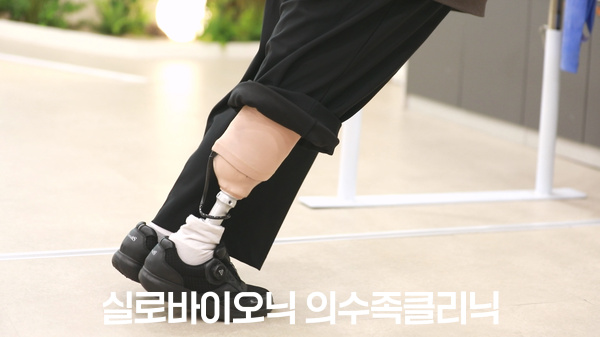
A below-knee amputation keeps the knee joint working, which is generally seen as a relatively favourable starting point for adapting to a prosthesis. Once everyday walking is steady, some people go on to travel, hike, run and cycle, and some add a separate sports prosthesis for a specific activity. How far you can go depends on your residual limb and your rehabilitation.
Why is a below-knee amputation considered relatively favourable?
A below-knee (transtibial) amputation is one made below the knee. Because the knee joint remains, you can bend and straighten it yourself, so learning to walk with a prosthesis is generally more manageable than after an above-knee (transfemoral) amputation. Many of our customers return to commuting, shopping and travel. Even so, outcomes vary widely with the condition of the residual limb and the course of rehabilitation.
Walk well before you walk fast
If you are planning to travel or play sport, your everyday walking needs to be steady beforehand. A prosthesis aligned to your body’s balance, together with regular gait practice, is what makes walking secure. Increasing activity while your gait is still uneven can put strain on the other leg or your lower back.

Can I travel with a prosthetic leg?
Once they are used to their prosthesis, people travel at home and abroad and make long journeys. Some come to us precisely because they want to plan a family trip or a goal they have put off for years. Before you set off:
- Get it checked — make sure the socket is not loose and the components are in good order.
- Pack spares — take extra liners, prosthetic socks and other items you change regularly.
- Prepare for security screening — at departure you are usually screened while wearing your prosthesis, but procedures differ between countries and facilities. Carrying a document in English, such as an English-language copy of your disability registration if you have one, can make explanations easier.
- Build in rest — on days with a lot of walking, plan breaks to check your limb and rest.
Can I play sport?
Often, yes. Having a working knee helps in sport too, and people with below-knee prostheses hike, run, cycle and play golf. Once everyday walking is well established, adding a sports prosthesis for a particular activity is another option.
| Everyday walking prosthesis | Sports prosthesis (e.g. running blade) | |
|---|---|---|
| Main use | Walking, standing, stairs, commuting | Running and other high-impact activities |
| Foot | Foot-shaped, worn with a shoe | A curved carbon-fibre plate that flexes on landing and returns energy |
| When | From the start, every day | Added later, once everyday walking is steady |
Some people switch between everyday and sports prostheses as needed. What matters is not the latest component but a set-up that suits your limb and the activities you want to do.
How does Silobionic support you?
A prosthesis is not finished when it is handed over. Consultation, fabrication, learning to walk and aftercare need to follow on from one another. With 15+ years of know-how, Silobionic starts by asking about your limb, your daily environment and what you want to do again, and then proposes a direction.
- A check socket (a temporary trial socket) confirms the fit before the final prosthesis is made.
- We watch you walk and check and adjust alignment and fit several times over.
- After delivery we offer regular check-ups and after-sales support, and if a repair is not possible we will guide you through a remake.
If you are coming up to surgery or recovering from it, you are welcome to talk to us from the limb-care stage onwards. International customers can consult with us in English.
Frequently asked questions
Will I be able to walk on my own again with a below-knee prosthesis?
Many of our customers have returned to daily life after being fitted and practising their walking. It varies with the limb and rehabilitation, so we advise you after seeing your current condition.
How does security screening work when I fly?
You are usually screened while wearing your prosthesis, but procedures differ by country. Carry a document in English and have your prosthesis checked before you travel.
Do I need a new prosthesis to run?
For regular running, many people use a separate sports prosthesis such as a carbon-fibre running blade. We look at this together once your everyday walking is steady.
Can I talk to you before my amputation surgery?
Yes. You can ask about limb care and what comes next before surgery or while recovering. Decisions about the surgery itself should be made with your medical team.