What is a prosthetic liner, and which type is right for me?
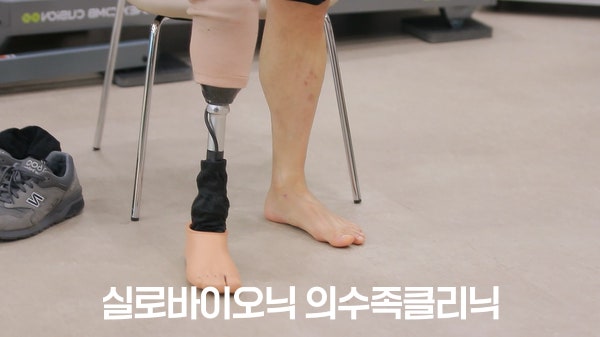
A prosthetic liner is a snug sleeve you roll onto your residual limb before putting on the socket. It eases pressure and impact and helps the socket hold securely. Liners come in several materials — soft gel (silicone), thermoplastic gel and viscoelastic types among them — and in different thicknesses and locking styles. None is simply better: the right one depends on your limb shape, activity level, skin and the prosthesis you use.
What does a liner do?
A prosthetic leg is a system of socket, foot, joints and connectors working together. The liner is the sleeve you roll onto your residual limb (the part of the leg that remains) like a sock, with the socket fitted over it. As the innermost layer touching your skin, it has a big say in how the whole day feels.
- Spreads pressure — so the socket does not press on one small point.
- Absorbs impact — it takes some of the shock each time your foot lands.
- Improves the fit — it reduces movement between limb and socket, so each step feels steadier.
- Protects your skin — it stops the hard socket rubbing directly against you.
How do liner materials differ?
| Type | Characteristics | Often considered when |
|---|---|---|
| Soft gel (silicone) liner | A cushioned gel structure that eases pressure on the skin, focused on comfort | Most everyday walkers |
| Thermoplastic gel liner | Designed for durability and stability; tends to grip well on unusually shaped limbs | The limb has prominent bone or an irregular shape, or the skin is sensitive |
| Viscoelastic liner | Balances shock absorption with the ability to spring back, filling the contours of the limb closely | Pressure must not concentrate on one area |
In prosthetics, components are often chosen according to activity level — how much and how actively a person walks. The same material comes in different thicknesses and firmness, so finding the right combination for your activity level matters.
Locking style matters too
Liners also differ in how they attach to the socket. A pin liner has a pin at the end that locks into the base of the socket. A cushion (silicone) liner has no pin and relies on close contact and air pressure, sometimes with a vacuum system. Which suits you depends on the length and shape of your limb and the socket design.
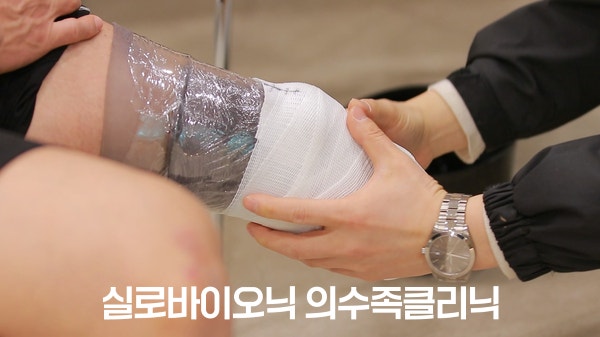
How do I choose the right liner?
- Limb shape and length — we look for prominent bone, scarring and contours.
- Activity level — walking mainly at home is different from commuting or hiking for hours.
- Skin condition — if your skin is sensitive or breaks down easily, talk to your medical team and tell us during your consultation.
- Your current prosthesis — the socket and components can narrow down which liners work with them.
Even with the same prosthesis, changing the liner can change how walking feels. It looks like a small part, but it deserves as much care as the socket.
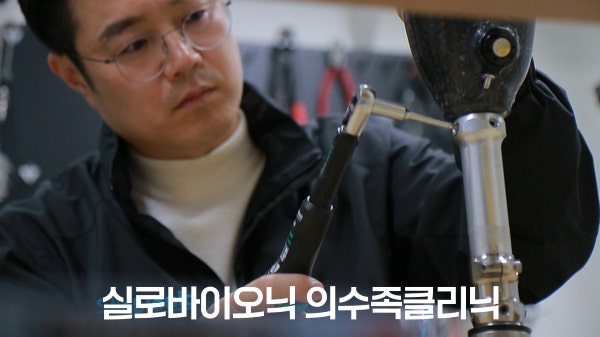
How does Silobionic choose?
Silobionic designs and makes prosthetic legs, and as part of that we choose a liner with you based on your limb, your walking pattern and the prosthesis you use now. Liner thickness and material are built into the socket when we cast it, and we confirm the real-world feel with a check socket (a temporary trial socket) before completing it.
How should I look after my liner?
Because it sits against your skin, a liner collects sweat and residue. Cleaning methods vary by material, so follow the manufacturer’s instructions and let it dry fully after washing. If it has stretched or torn and no longer grips well, ask us about a replacement.
Frequently asked questions
Can I use a prosthetic leg without a liner?
Some socket designs use prosthetic socks instead of a liner, but in many cases a liner helps protect the skin and improve the fit. We decide which approach suits you after seeing your limb.
Which liner is the most comfortable?
No single liner suits everyone. The right material and thickness depend on your limb shape, activity level, skin and the prosthesis you use.
Which liner should I use if my skin is sensitive?
If your skin is sensitive or breaks down easily, check with your medical team. Tell us during your consultation and we will take it into account when choosing the material and thickness.
How often should a liner be replaced?
It depends on how much you use it and how it is cared for. If it has stretched, torn or no longer grips well, have it checked and ask about a replacement.