

What is a forearm (transradial) amputation, and which prosthesis can I choose?
A forearm amputation is limb loss between wrist and elbow. Upper-limb amputation levels, what a forearm prosthesis must do, and silicone vs functional options.

Myoelectric hands open and close with the electrical signals of your muscles. On a comfortable socket we choose the hand that fits what you want to do again — and, if you wish, add a skin-matched silicone cover.
A myoelectric hand is moved by sensors in the socket that read the electrical signals produced when the muscles of your residual arm contract. The right set-up depends on the length of your arm, your muscle signals and the tasks you want back.
The socket around your arm and the sensor positions — the base for both comfort and a responsive hand.
Socket ↓Basic, multi-articulating or partial-hand myoelectric, or a titanium semi-automatic finger — chosen by the movements you need.
Hand types ↓A silicone cover in your digitally measured skin tone, over the mechanical hand.
Silicone cover ↓ Socket
Inside a myoelectric socket sit the sensors that read your muscle signals. The socket must hold the arm evenly so the sensors stay in steady contact with the skin — so it shapes both comfort and how the hand responds. We make a soft silicone inner socket with a light, rigid carbon outer socket.
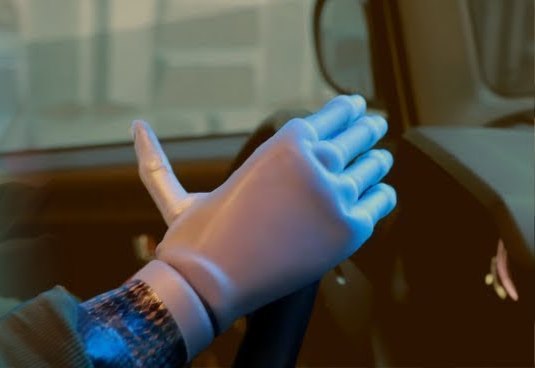 Hand Types
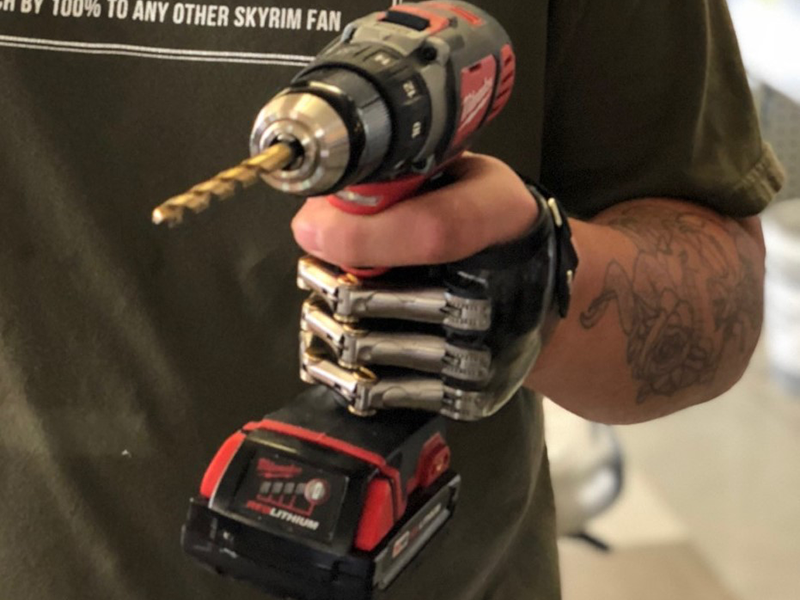
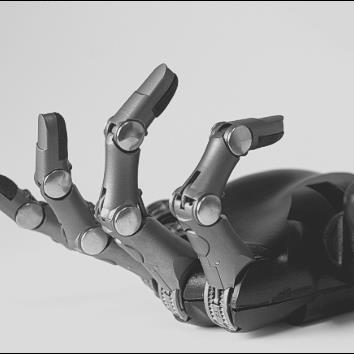
Hands are what we use most, so the right one depends on what you want to do again. If opening and closing is enough, a basic hand; if you need many grips, a multi-articulating hand whose fingers move individually. If only fingers or part of the palm are missing, a partial-hand myoelectric or a titanium semi-automatic finger may suit.
Focused on gripping, holding and opening with thumb, index and middle finger. Depending on the product, speed control, hold-after-grip and automatic grip-force adjustment are added.
SuitsPeople who mainly need to grip, hold and release
e.g. SensorHand Speed, DMC Plus
Five fingers move individually for many grip patterns — picking up, key grip, pressing with a finger. Some products change or set grips through a phone app.
SuitsPeople who need varied movements at home and at work
e.g. bebionic, Michelangelo, i-Limb
Powered fingers for people who keep the wrist but have lost fingers and part of the palm, built around the shape and length of the remaining hand.
SuitsLoss of several fingers and part of the palm
e.g. i-Limb Digits
No battery: press it against your body or a surface to bend it, and it opens automatically when fully flexed. 3D-printed titanium makes it light and strong, and it can be used in water.
SuitsComplete loss of index, middle or ring fingers
Exclusive Point Designs partner in Korea
See the semi-automatic hand →| Basic myoelectric | Multi-articulating | |
|---|---|---|
| Movement | One grip, opened and closed with thumb, index and middle finger | Fingers move individually for many grips |
| Changing grips | Not needed | By muscle signal, app, etc. (varies by product) |
| Everyday life | Simple gripping tasks | Picking up, pressing and lifting many kinds of objects |
General characteristics; features and care differ between products. All myoelectric hands need regular charging.
 Silicone Cover
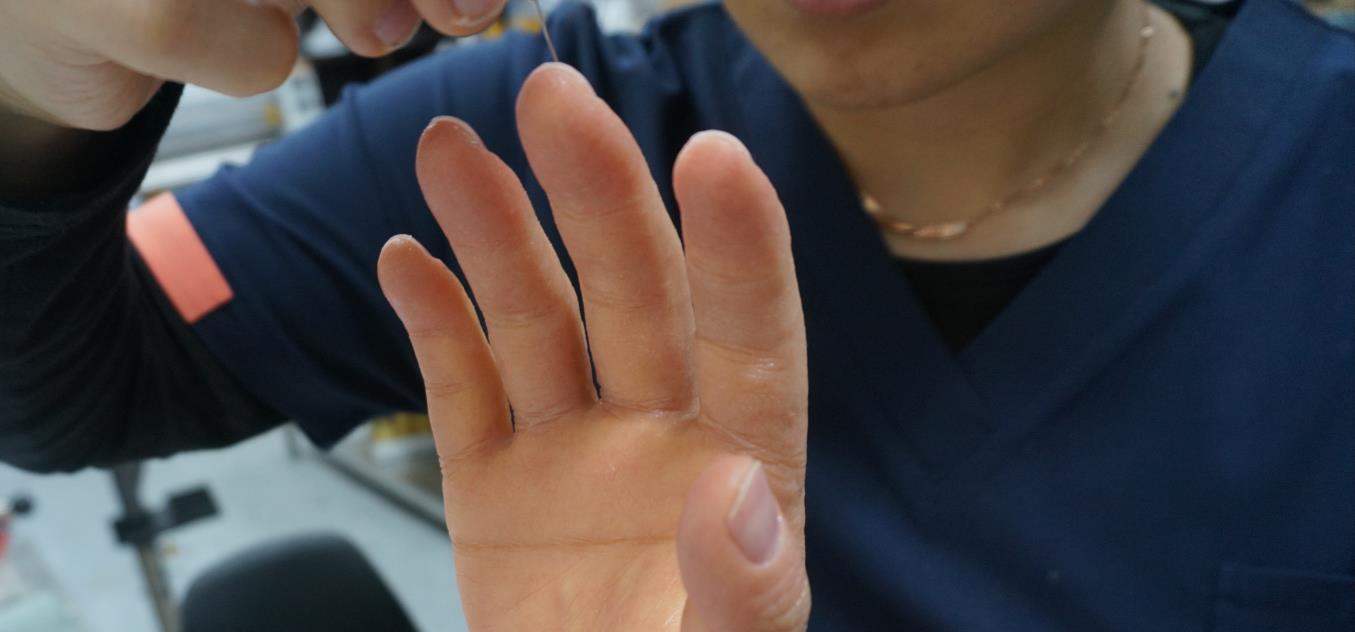

The mechanics of a myoelectric hand are often on show. Drawing on our silicone prosthetics work, we discuss adding a silicone cover shaped and coloured to match your other hand. Skin tone is measured digitally with Technovent’s E-SKIN system (UK) and mixed to match.
Options by amputation level, and customers who chose functional hands.
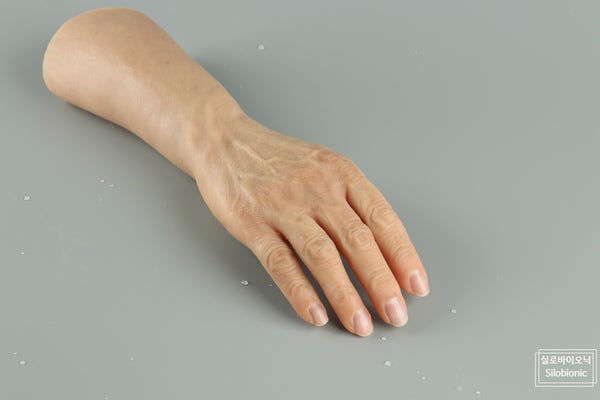
A forearm amputation is limb loss between wrist and elbow. Upper-limb amputation levels, what a forearm prosthesis must do, and silicone vs functional options.

After years with a cosmetic silicone finger, a customer who lost an index finger added a 3D titanium semi-automatic one. Who it suits, daily use, planning.
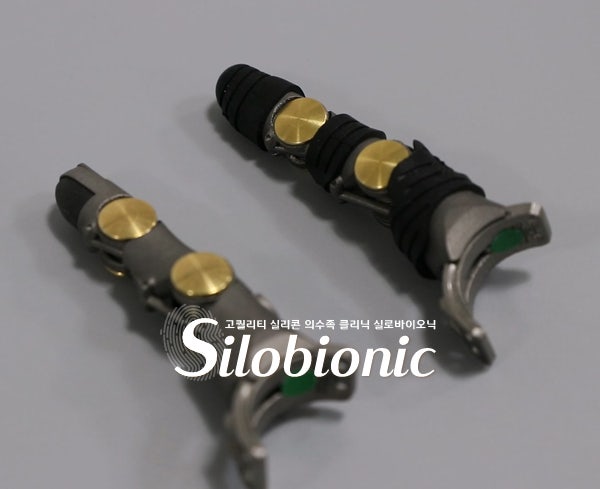
For orchard work we chose a 3D titanium semi-automatic hand over a powered one: why it suits water and soil, and the silicone palm pad sized to farm pipes.
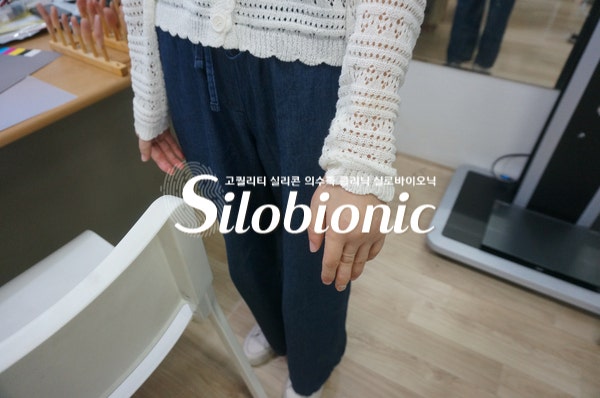
Our customer lost the right thumb and part of the left palm. We made a single-segment thumb prosthesis and, for the other hand, an easy-to-wear glove-type.

Choosing a prosthesis is about the function your life needs, not the price tag. Budgeting, deciding what you need, funding, comparing prosthetists and adapting.
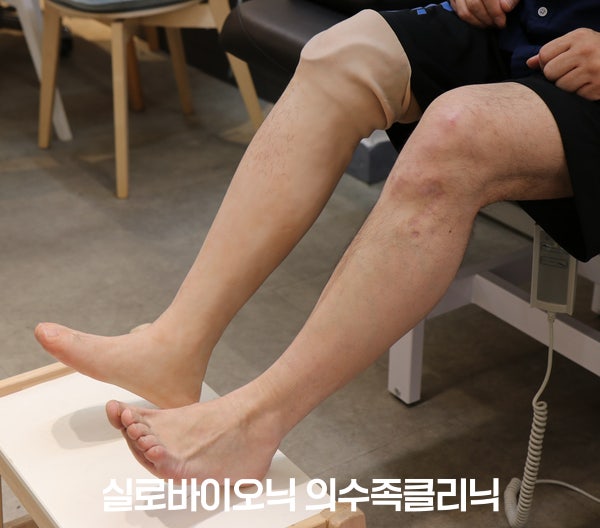
Custom silicone prostheses for fingers, hands, forearms, feet and ears, silicone covers for below-knee legs, and Point Designs fingers: what Silobionic makes.
Share a photo of your affected area and a short note about what you would like to do again. We will recommend the right solution, the expected timeline and a personalised quotation.