Partial hand loss on both hands: how are the prostheses planned?
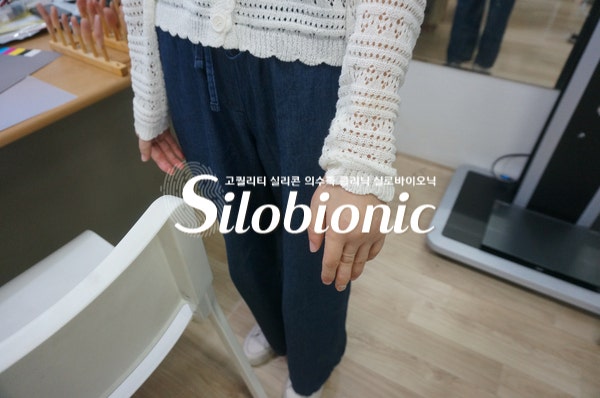
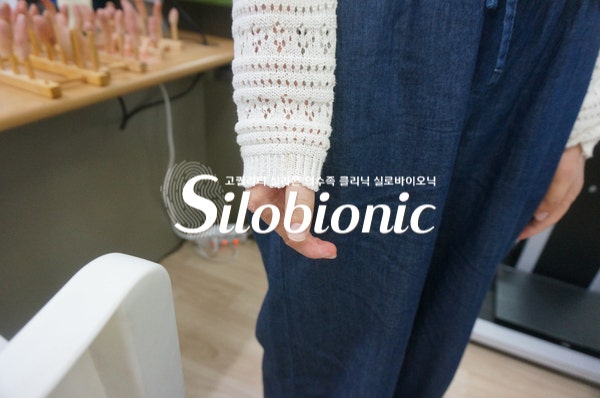
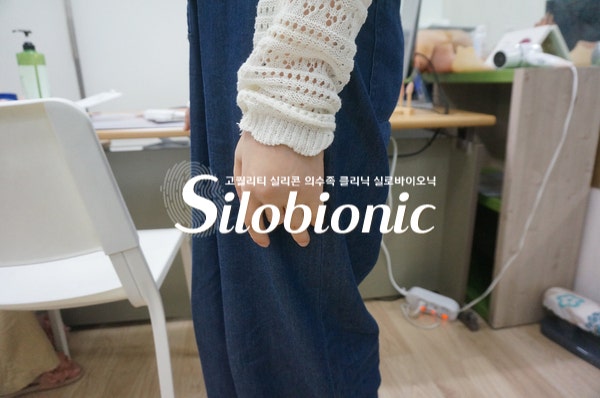
Even when both hands are affected, each hand can have a different type of prosthesis shaped to what remains. Our customer had a single-segment finger prosthesis for the right thumb and an easy-to-wear glove-type hand prosthesis for the left hand, where parts of the fingers remained. Both areas were awkwardly shaped and sensitive, so we checked shape and comfort carefully from the check-socket stage on.
Two hands, two different situations
Our customer had lost the right thumb and part of the left palm, so both hands needed a prosthesis. Even on the same person, what remained on each hand was different, and one approach would not suit both.
| Right hand | Left hand | |
|---|---|---|
| What remained | Thumb stump healed close against the palm | Middle finger, part of the palm and short remnants of other fingers |
| Challenge | Hard to give the thumb a natural angle | Still tender and sensitive |
| Chosen type | Single-segment finger prosthesis | Glove-type hand prosthesis (easy to put on and take off) |
Our customer knew these were difficult areas and was anxious through the check-socket stage and right up to delivery day. Our team, too, saw it as a case where the result could not be promised at the outset, and checked at every step.
What we checked for on difficult areas
- Thumb angle — the thumb stump sits against the palm, so we shaped the prosthesis to follow that position while still looking natural on the hand.
- Pressure — the left hand was still sensitive, so soft silicone was used to avoid pressing hard on the affected area.
- Putting it on alone — since it is worn every day, we chose a glove-type for the left hand that our customer could put on without help.

Delivery day
Trying on the finished prostheses, our customer was delighted with how the fingers looked, and especially liked how comfortable the soft silicone felt. Turning to the family member who had come along and saying, “This is my hand,” is a moment our team still remembers.
What does a cosmetic prosthesis do?
The main purpose of a cosmetic silicone prosthesis is to restore appearance. As in this case, it can also act as a cover that shields a still-sensitive area from knocks. Getting used to a changed hand takes a different path for everyone, and we cannot say a prosthesis will ease symptoms such as phantom limb pain — please speak to your doctor or a rehabilitation specialist.
Good to know before your consultation
When both hands are made together, each may need a different type, and sensitive areas can mean extra fittings. The standard process is three visits, about 4–6 weeks from consultation to delivery; fabrication takes 7–10 days for a finger and about 15 days for a full hand. Results vary from person to person. If you are coming from abroad, send photos of both hands in advance and we will plan your schedule in an online consultation in English.
Frequently asked questions
Can prostheses for both hands be made at the same time?
Yes. As with this customer, both can be made in the same process, with the type chosen separately for each hand.
Can I have a prosthesis if my affected area is still painful?
We decide after seeing it in person. For sensitive areas we design with soft silicone to reduce pressure; please discuss the pain itself with your doctor.
What is the difference between a single-segment and a glove-type prosthesis?
A single-segment prosthesis replaces the end segment of one finger; a glove-type covers the hand like a glove. The choice depends on the shape and extent of what remains.
Does a prosthesis help with phantom limb pain?
We cannot say that a prosthesis will ease phantom limb pain. If you have symptoms, please speak to your doctor or a rehabilitation specialist.