How do I choose a prosthetic arm, hand or leg? A step-by-step guide for first-timers

The key is to choose a prosthesis that matches the function your daily life needs — not the most expensive one. Work out your budget and needs, check what funding is available, then compare the skill and communication of the prosthetist you will actually work with at more than one clinic. Remember that check-ups and training continue after delivery.
The five steps at a glance
- Set a budget — think beyond one purchase to replacements and remakes.
- Decide what you need — start with what you want to be able to do again.
- Check funding — understand prescriptions and claims in advance.
- Compare prosthetists — have consultations at more than one clinic.
- Decide and adapt — training and check-ups after delivery are part of the process.
1. Budget for the long run, not a single purchase
Prices vary enormously depending on the part of the body and the function involved. When it is your first prosthesis, it is hard to know what it will realistically let you do, and the sense of loss can pull you towards the most expensive option. But a prosthesis is not something you buy once for life. Parts wear, a dropped or damaged prosthesis may need remaking, and the socket changes as your limb changes. It is more realistic to budget at a level you can sustain through replacements and remakes. High-end products may offer more convenience features, but a higher price does not mean it will move like your own hand or foot.
2. Write down the functions you actually need
Prostheses broadly fall into cosmetic ones, which restore appearance, and functional ones, which focus on gripping or walking. Some people alternate — a cosmetic prosthesis when meeting people, a work prosthesis at home or on the job.
| Type | Focus | What to consider |
|---|---|---|
| Cosmetic prosthesis | Appearance — shape and skin tone | Where you will mainly wear it and how natural it needs to look |
| Functional hand prosthesis | Hand function such as gripping and pinching | Options depend on the length and condition of your limb, and it takes practice |
| Prosthetic foot | How walking feels and how well it supports you | Cushioned feet, carbon-fibre feet, feet with adjustable heel height or side slope, feet with a moving ankle and more — chosen to suit your activity and lifestyle |
It is tempting to think a feature-packed prosthesis will let you do everything as before. In reality it takes a lot of practice, fine movements have limits, and some designs simply do not suit certain limbs. The same goes for prosthetic feet: if you are not very active, a high-performance component is not necessarily what you need. The yardstick is the function your own life requires, not what worked for someone else.
For reference, Silobionic makes custom silicone cosmetic prostheses and below-knee prostheses, and, as Point Designs’ exclusive partner in Korea, offers 3D titanium functional finger prostheses.
3. Check funding before your consultation
In Korea, national health insurance, workers’ compensation and medical aid can help with the cost of a prosthesis; eligibility and amounts are set by the relevant public agencies, and procedures may include a doctor’s prescription and an inspection of the finished prosthesis. If you are coming from abroad, check what your own insurer or national scheme covers — we will talk you through the paperwork we can provide during your consultation. If someone else was responsible for your injury, discuss compensation separately with an insurer or legal adviser.
4. Look at the prosthetist, not just the company
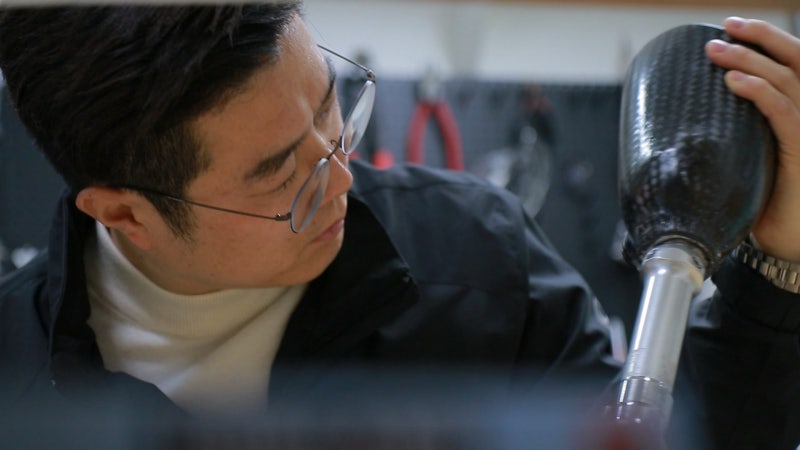
No two limbs are the same, even with the same level of loss. What shapes the result is the prosthetist’s judgement in choosing a socket and suspension (such as a liner) that suit your limb. During consultations, look for:
- Skill — experience with cases like yours, and results they can show you.
- Honesty — whether they simply recommend expensive products or work within your budget and needs, and whether they tell you up front what is and is not realistic.
- Communication — whether they listen, while helping you set realistic expectations.
- Distance — making a prosthesis takes several visits, and first-time wearers may need frequent check-ups as the limb changes. Skill still comes before convenience.
Because check-ups and part replacements continue for as long as you use a prosthesis, you end up with a long relationship with one clinic. It is worth the effort to consult more than one when you first choose.
5. Once you decide, adapting is part of the process
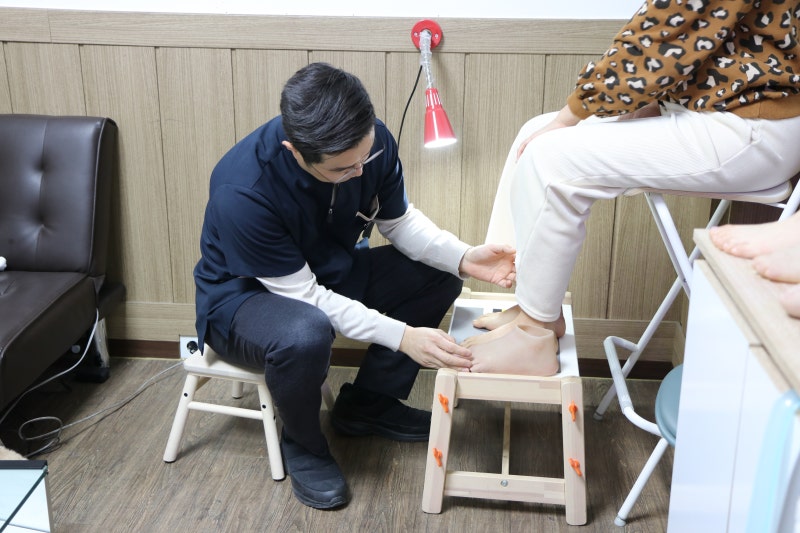
A prosthesis is not finished on the day you receive it. People with good strength and joint movement may get used to it relatively quickly, but powered hands controlled by muscle signals in particular need training to manage grip strength and movement. Some discomfort at the start is normal. Ask your prosthetist whenever something is unclear or uncomfortable, keep up the rehab and practice you need, and rebuild your routine one step at a time.
Silobionic’s silicone prostheses are made over three standard visits, taking about 4–6 weeks from consultation to delivery (1–2 weeks with express production). We provide after-sales support while you use your prosthesis, and if a repair is not possible, we will guide you through a remake.
Frequently asked questions
Is a more expensive prosthesis always better?
Price does not mean it suits you. What matters more is whether its function matches your activity, lifestyle and limb.
Can I get help with the cost?
In Korea there are schemes through national health insurance, workers’ compensation and medical aid. If you live abroad, check your own insurer or national scheme; we can advise on documents during your consultation.
How many clinics should I compare?
There is no set number, but we recommend consulting prosthetists at more than one clinic rather than deciding on the basis of a single visit.
Can I use a powered hand straight away?
Prostheses controlled by muscle signals take training to manage grip and movement. How long it takes to get used to one varies from person to person.