Why is every prosthetic leg built differently, and why does alignment matter?
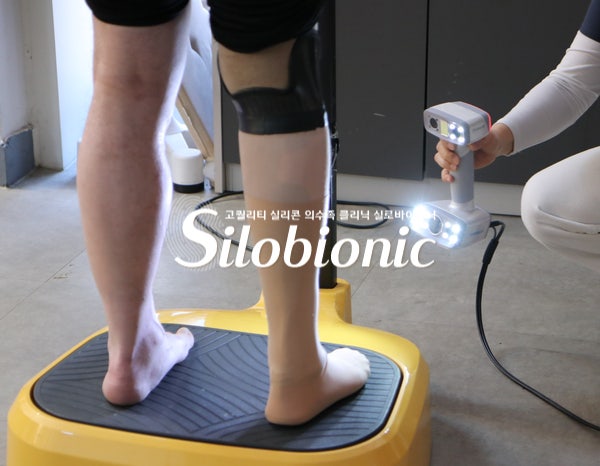
A prosthetic leg is designed around the amputation level and the shape of the residual limb. For partial foot loss, a silicone partial-foot prosthesis restores the shape of the foot and balance when stepping; for below- or above-knee amputation, a socket is combined with knee and foot components. In every case, casting (or 3D scanning), a trial fitting and an alignment check are what make it fit your body.
Why does each residual limb need a different approach?
Even within “leg amputation”, the length of the remaining limb, prominent bone, scarring and skin condition differ from person to person. Where the weight is borne, how the prosthesis is held on and which joint it has to replace all change — and so does the design. Before it covers anything, a prosthetic leg is a device that takes over the work of the lost foot and leg and supports your body.
What changes with each amputation level?
| Amputation level | Typical prosthesis | Design focus |
|---|---|---|
| Toes or front of the foot | Silicone partial-foot prosthesis | Flexibility and firmness to suit the remaining foot, the missing length, and restoring the roll-over of each step |
| Around the ankle | A low-profile prosthetic foot with a socket | The long residual limb leaves little room for components |
| Below the knee (transtibial) | Socket + liner + prosthetic foot | Weight-bearing areas, suspension and choice of foot |
| Knee or above the knee (transfemoral) | Socket + knee + prosthetic foot | Choice of knee, and alignment all the way up to the pelvis |
A partial-foot or toe prosthesis is shaped using the other foot as a guide, with attention to balance when stepping inside a shoe. We cover this in more detail in our article on partial-foot prostheses.

What steps go into making one?
- Consultation and assessment — we start by hearing about your daily life, activity level and what bothers you about your current prosthesis.
- Casting or 3D scanning — the shape of the residual limb and the other leg is recorded.
- Trial fitting — a check socket (a temporary trial socket) is used to confirm and adjust fit and shape.
- Alignment check — before and after completion, we check pelvic level and the position of the knee and foot.
- Ongoing care — discomfort that appears with use is adjusted through after-sales care; if a repair is not possible, we advise on a remake.

Why is alignment so important?
Alignment is how the socket, knee and foot line up with your body’s centre line, in angle and position. If it is off, your weight shifts to one side and your balance while walking suffers. Over time this can also put strain on the socket or foot and lead to damage. It is why two prostheses that look alike can feel very different once you walk in them.
So when Silobionic makes below-knee and above-knee prostheses, we never skip the alignment check before and after fitting. For people who wear prostheses on both legs, we also look at the balance between left and right.

What if your current prosthesis is uncomfortable?
Many people put up with discomfort, assuming a prosthetic leg is simply meant to feel that way. Often, though, there is a fixable cause, such as a socket that has loosened or alignment that has drifted. If the discomfort continues, have your limb and prosthesis checked together. Results vary from person to person, but knowing the cause makes your options clearer.
Frequently asked questions
If two people both have below-knee amputations, do they get the same prosthesis?
No. The socket shape, suspension and foot all depend on the length and shape of the limb, skin condition and activity level.
Do I need a prosthesis if I have lost toes or part of my foot?
A silicone partial-foot prosthesis can restore the shape of the foot and balance when stepping. Whether and when you need one should be discussed with your medical team, and we advise on what can be made after seeing the foot.
When is alignment checked?
Before and after fitting, and again whenever discomfort appears during use.
Can you check a prosthesis made elsewhere?
Yes. We look at the socket and alignment of your current prosthesis and advise at consultation whether to adjust it or make a new one.