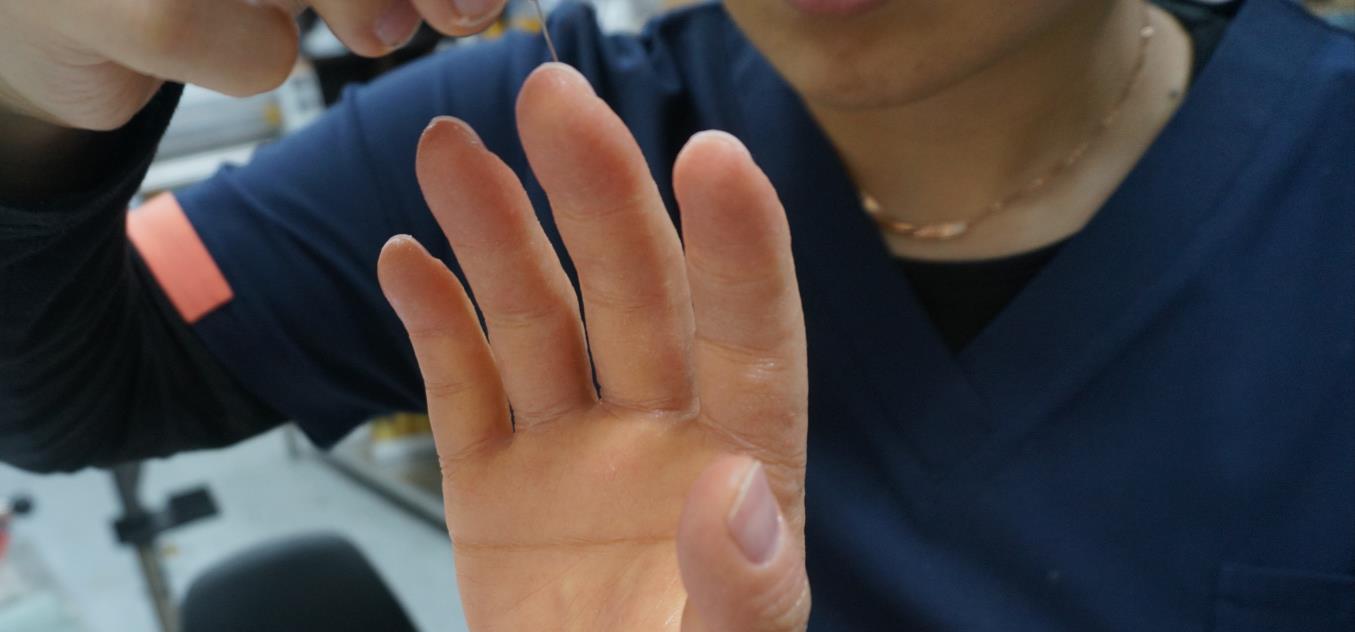
Unhappy with a previous hand prosthesis? What to look for next time
Why a hand prosthesis can look unnatural — shape, weight and texture, or skin tone — and what to check next time, shown through one customer’s case.
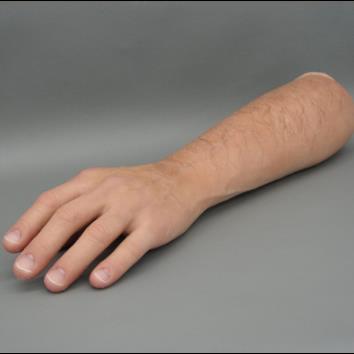
A silicone hand prosthesis is a custom-made hand — and, if needed, forearm — that restores the appearance of a hand lost at the wrist or above. Ours is shaped from your other hand, filled with silicone throughout and colour-matched to your skin, with no visible seam between hand and forearm.
Typically three visits and about 4–6 weeks from consultation to delivery. A rapid option of 1–2 weeks may be possible, depending on your case.
We take a mould of your affected area and your other side, scan in 3D, and measure your skin tone with E-SKIN digital skin-tone matching (SPECTROMATCH, UK).
You try a check socket (a trial socket) so we can confirm fit, length and shape before the final piece is made.
Colour and details are finished by hand, and we fit the finished prosthesis with you and explain how to care for it.
Our all-silicone arm is formed as one continuous piece. The socket that wraps your arm is made of silicone, not plastic or PVC.
Photographed under the same conditions. Results vary from person to person.
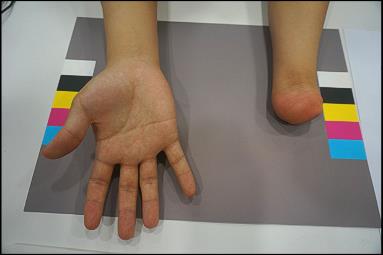 Before
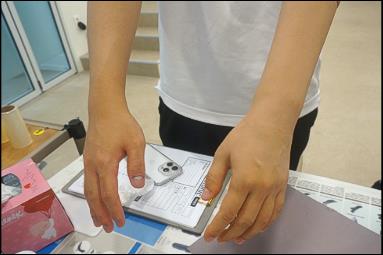 After
 Before
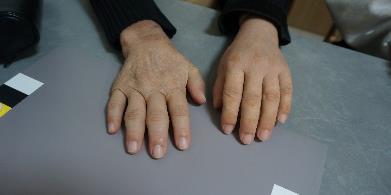 After
We do not publish prices, because every prosthesis is made for one person. What it costs depends on:
Send us photos and we will give you a personalised quotation before you book any travel.
Consultation is available in English by WhatsApp and email. Send clear daylight photos of your affected area and your other side, and tell us what you would like to do again. We reply with an honest assessment, the recommended prosthesis, the expected number of visits and a personalised quotation — before you book any travel.
How to send your inquiry →Need grip? See myoelectric hands →
ANo. A silicone hand prosthesis focuses on appearance and does not grip on its own. If you need grip, a myoelectric hand opened and closed by muscle signals may suit you.
AUsually its shape, its weight and texture, or its skin tone. We shape it from a mould of your other hand, fill it with silicone throughout, and match skin tone with E-SKIN measurement.
AYes. We also make silicone prostheses that restore the shoulder line after shoulder disarticulation. We assess what suits you after seeing you in person.
AThere is no set number of years. It depends on how you use it, changes to your arm and wear. We keep your production records, so a remake does not start from zero.
ATypically three visits and about 4–6 weeks from consultation to delivery. A rapid option of 1–2 weeks may be possible, depending on your case.
AWe do not publish prices, because each one is made for one person. The cost depends mainly on the level of amputation and the detail work. Send us photos for a personalised quotation.
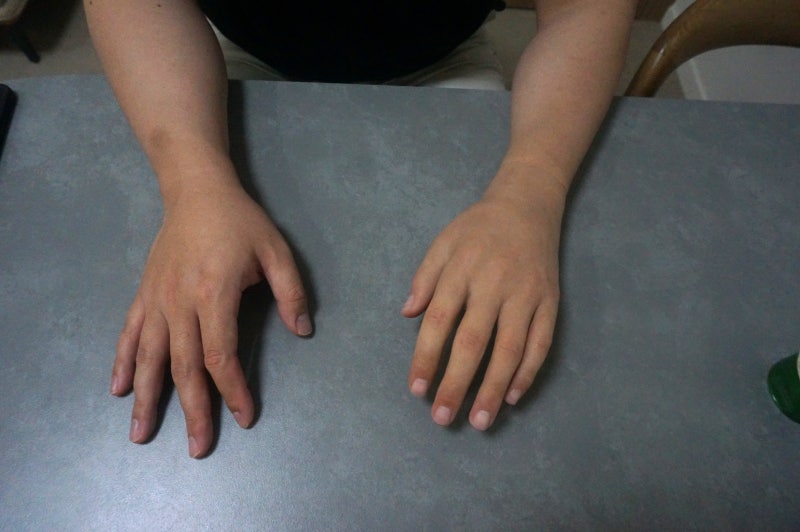
Why a hand prosthesis can look unnatural — shape, weight and texture, or skin tone — and what to check next time, shown through one customer’s case.
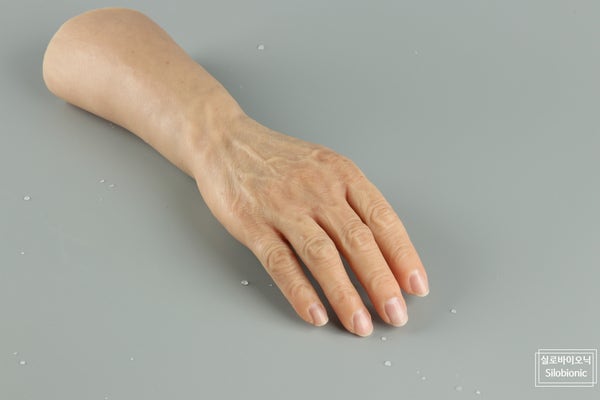
A forearm amputation is limb loss between wrist and elbow. Upper-limb amputation levels, what a forearm prosthesis must do, and silicone vs functional options.
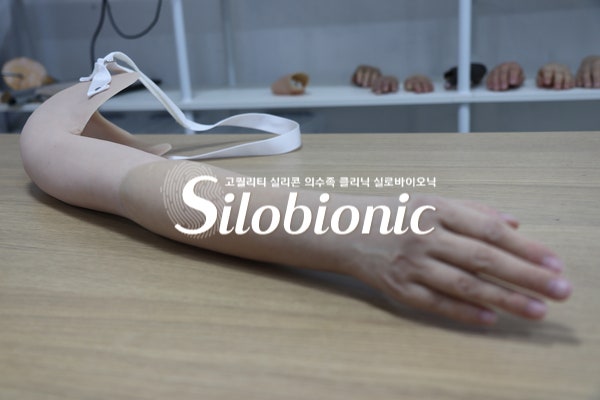
Our customer lost the right shoulder joint, leaving a hollow upper chest and an uneven shoulder line. How we built a silicone arm from shoulder to fingertips.
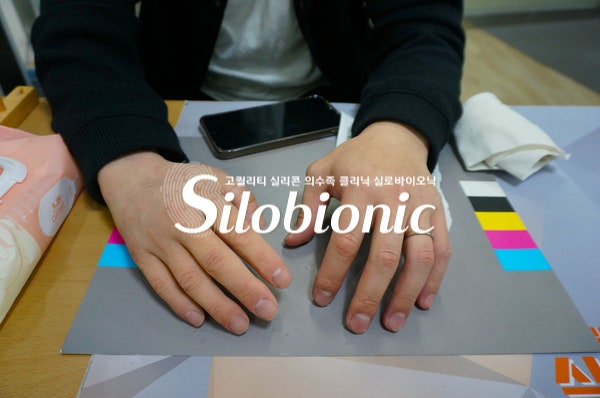
No set number of years decides when a silicone prosthesis needs remaking; it depends on use and your affected area. Signs to watch, and how to make it last.
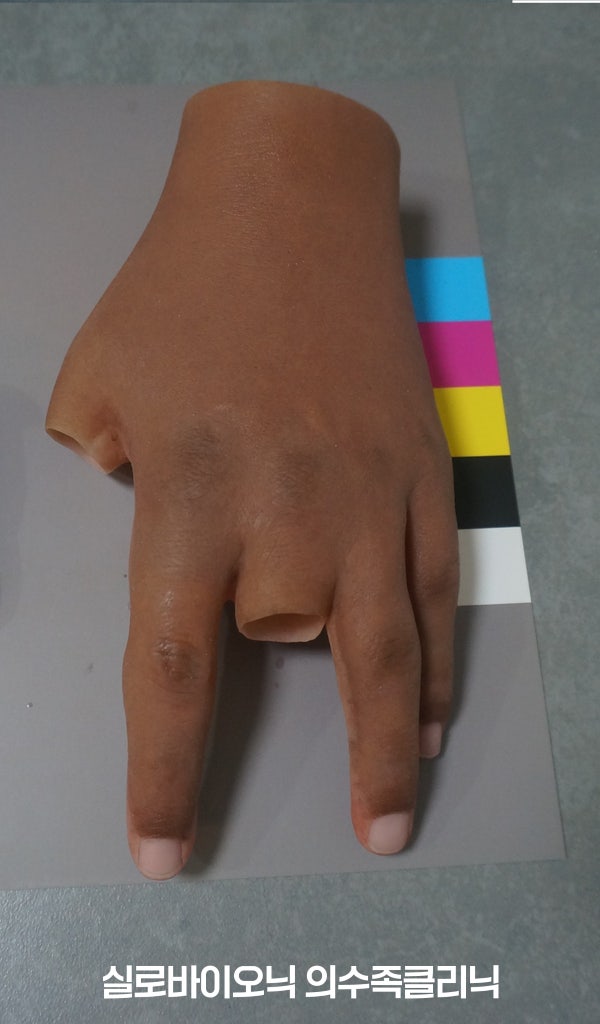
When the back of the hand and the palm differ in tone, we measure each and paint the prosthesis in two tones. Two glove-type hand prosthesis cases, darker skin.
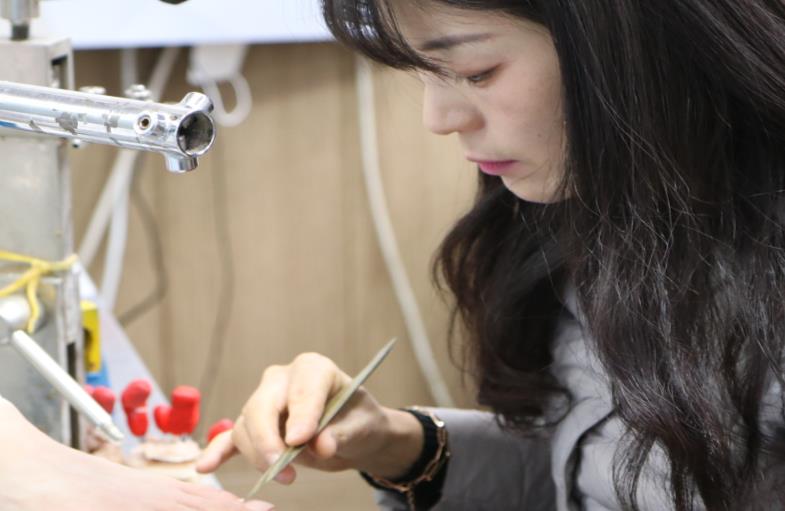
A custom silicone prosthesis is completed in three standard visits: casting and digital skin-tone measurement, a check-socket fitting, then delivery. Timelines: about 4–6 weeks, or 1–2 weeks with express production.
Send us a photo.
We'll tell you honestly.
Share a photo of your affected area and a short note about what you would like to do again. We will recommend the right solution, the expected timeline and a personalised quotation.