How do I care for a silicone prosthesis so it lasts?
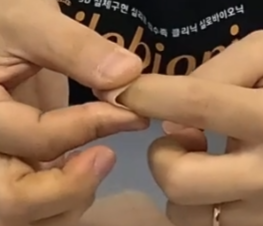
The heart of good care is never forcing it and keeping friction low. Use water or an oil-less aloe gel to put it on, lift the tip to let air in when taking it off, and after each use wash it with a mild detergent and dry it fully. These habits greatly reduce the need for repairs.
Why does care matter so much?
A cosmetic silicone prosthesis is designed to match the shape and colour of your body as closely as possible. That makes its surface delicate: forcing it, rubbing it constantly or leaving it dirty will stretch it, tear it and damage its colour. We provide after-sales support while you use your prosthesis, but severe damage sometimes cannot be reworked because of the nature of silicone. The surest way to keep it looking as it did on delivery is to use it in a way that avoids repairs.
The five steps at a glance
| Step | Do | Avoid |
|---|---|---|
| Putting it on | Apply water or aloe gel and twist it gently into place | Petroleum jelly, oily lotions, stretching the opening |
| Wearing | Keep rubbing and contact to a minimum | Sharp objects, sandy ground |
| Taking it off | Lift the tip to let air in | Pulling it off |
| Cleaning | Wash inside and out with mild detergent after each use; dry fully | Antibacterial soap, leaving it damp |
| Storage | Somewhere not too humid | Sealing it away while damp |
1. Putting it on — use water or gel
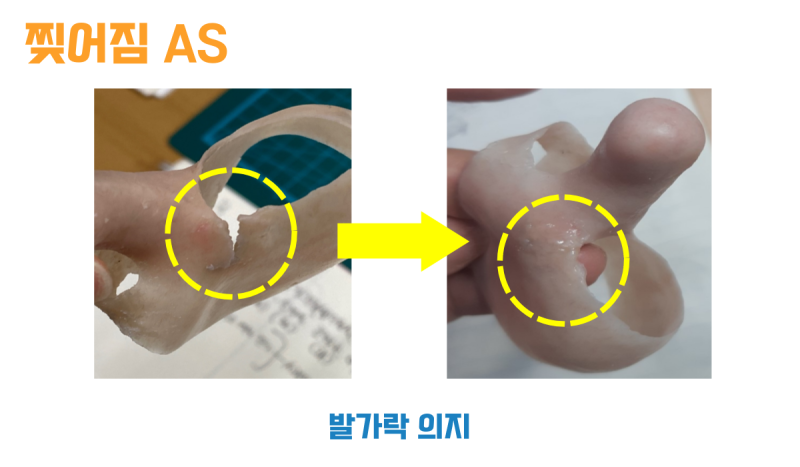
Spread a thin layer of water or oil-less aloe gel over your affected area, then ease the prosthesis on with a gentle twisting motion. The gel lets it slide on with far less effort. Avoid oily products such as petroleum jelly or rich lotions. Forcing the opening wide to get it on is a common cause of stretching.
2. Wearing it — keep friction down
Every time the surface rubs against something, it wears and picks up dirt a little. As damage builds up, even a repair may not bring it back as far as you would like. Take particular care around sharp objects.
- Arm prostheses (forearm, upper arm, shoulder) — sleeves rub easily when dressing, so we recommend slipping a plastic bag over the prosthesis before putting clothes on or taking them off.
- Foot and leg prostheses — walking on sand or where there are sharp objects can tear the silicone.
3. Taking it off — let the air in
Lift the tip of the prosthesis slightly to open a gap. Air flows in, the suction releases, and it slides off gently. If the end of your affected area is wider than the opening and it will not come off easily, put a little soapy water inside. Pulling it off stretches it, just as forcing it on does.
4. Cleaning — after every use
While you wear it, oil from your skin and dust from outside collect on the prosthesis. If it is not washed each time, an oily film and stains build up, and later repairs may not take — new silicone or colour may not bond. Regular cleaning also helps prevent skin problems.
- Wash inside and out with a mild washing-up liquid. Do not use antibacterial soap.
- Rinse well under running water.
- Press dry with a kitchen towel that does not shed fibres, then dry it fully with a hairdryer.
Permanent colourants such as ballpoint or marker ink and hair dye can soak into silicone and discolour it. If anything like this gets on it, wash it off straight away with mild detergent — and watch out for clothes whose dye runs, such as new denim.
5. Storage — keep it from getting damp
Simply avoid sealing it away while damp or in a very humid place. If you keep up the four steps above, you can greatly reduce the need for repairs, accidents aside. If it does tear or loosen, contact us for after-sales support; if a repair is not possible, we will guide you through a remake.
Frequently asked questions
Can I use petroleum jelly or hand cream to put it on?
We do not recommend oily products. Use water or an oil-less aloe gel instead.
How often should I wash it?
Every day you wear it. Built-up oil and dirt also affect how well any future repair turns out.
Dye from my jeans has stained it. What should I do?
Wash it straight away with mild detergent. Colourants that soak in, such as ink or hair dye, can become hard to remove over time.
It will not come off easily. What can I do?
Lift the tip to let air in. If that does not work, put a little soapy water inside. Never pull it off by force.