How do I protect my skin from sweat with a below-knee prosthesis?
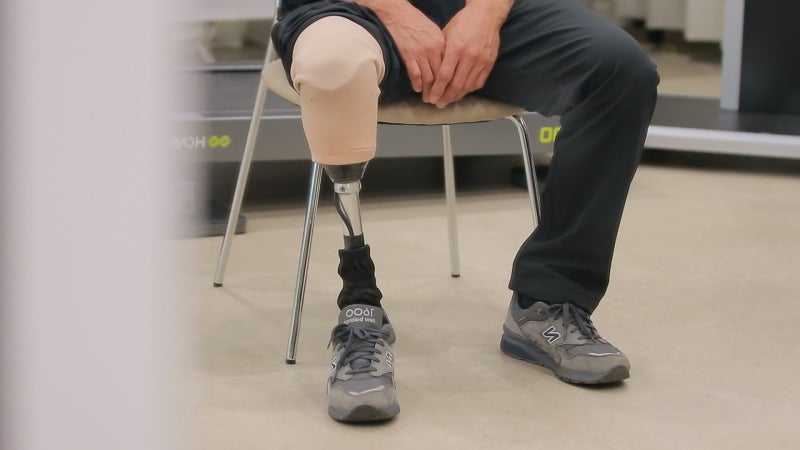
Air does not circulate well inside the socket and liner of a below-knee prosthesis, so sweat builds up easily and damp skin is more vulnerable to friction. The basics are to wash and fully dry your limb, check it every day, and clean and dry the socket and liner as the manufacturer advises. If you notice painful redness, blisters, wounds, or swelling and warmth that do not settle, see your doctor; if the same spot keeps rubbing, have the socket checked.
Why is a prosthesis harder to wear in hot weather?
A prosthetic leg is worn with a liner rolled onto the residual limb and a socket fitted over it. This holds the leg securely but lets very little air in or out. With a silicone liner in particular, sweat can collect between skin and liner, and the longer it stays damp, the more friction each step creates.
Summer brings holidays, swimming and more time outdoors. As the weather cools, it is a good moment to take stock of how your skin has fared before autumn walks and outings.
How do sweat and moisture affect the skin?
Damp skin is more vulnerable to friction and pressure. If the socket does not fit well or one area is pressed repeatedly, the skin can redden or become sore, and staying damp for long periods can raise the risk of irritation or infection. The more you have walked, the more important it is to check your limb after taking the prosthesis off.

A daily skin routine
- Wash and dry fully — clean the limb and make sure no moisture is left.
- Look every day — check the back as well as the front. A mirror makes pressure marks and red patches easier to spot.
- Do not stay damp — on sweaty days, wipe the sweat away when you take a break.
- Use dry prosthetic socks — wear clean, fully dry socks and carry spares to change into on hot days.
Do the socket and liner need care too?
Yes. Sweat and skin residue build up inside the socket and liner over time. Even with a clean limb, a dirty interior can keep irritating the skin.
- Cleaning methods vary by product and material, so follow the manufacturer’s instructions.
- After washing, dry them thoroughly, inside as well, so no moisture remains.
- If a liner has stretched or torn, ask about a replacement.
When should I get it checked?
| If you notice | What to do |
|---|---|
| A pressure mark that fades soon after | Keep an eye on it with daily checks |
| Redness with pain | See your doctor and have the socket checked |
| Blisters or wounds | See your doctor rather than applying ointment yourself |
| Swelling or warmth that persists | See your doctor |
| The same spot rubbing again and again | Have the socket fit checked |
It is cooler now — can I walk much more straight away?
There is no need to increase your activity all at once. If you walked less over the summer, start with short walks and see how your body responds. A prosthesis affects your whole body’s balance as you walk. If one side feels unusually uncomfortable, or your pelvis or lower back aches, have the fit checked again.
Silobionic designs and makes below-knee prostheses and also checks how your current prosthesis fits. If discomfort keeps coming back, have it checked rather than walking through it.
Frequently asked questions
How often should I check my residual limb?
We suggest checking every day. On days when you have walked a lot or sweated heavily, look especially carefully after taking the prosthesis off.
How should I clean my liner?
Methods vary by material, so follow the manufacturer’s instructions. After washing, let it dry thoroughly so no moisture remains.
Can I put ointment on a red mark?
If it is painful, or there is a blister or wound, see your doctor rather than treating it yourself. If the same spot keeps recurring, have the socket checked as well.
What if I sweat a lot inside the socket in summer?
Wipe away sweat during breaks and change into dry prosthetic socks. If the discomfort continues, have the fit checked.