Can a silicone skin cover hide burn scars or sunken skin?
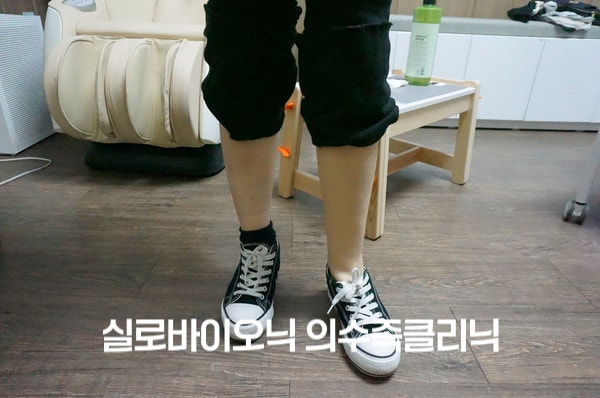
Yes. Using the same medical-grade silicone we use for prostheses, we can make a custom silicone skin cover that is worn over a scar or a sunken area. It is cast to fit areas such as the neck, forearm, calf or thigh, and a check socket (trial cover) is used to confirm thickness and comfort before the final piece. It does not remove the scar — it restores appearance — and results vary from person to person.
What is a silicone skin cover?
A silicone skin cover is a custom-made layer of silicone worn over a scar or an area of sunken skin. We make it from the medical-grade silicone we use for our prostheses, cast to the shape of your body. You can put it on when you want to and take it off again.
The concerns we hear most often in consultations are:
- Burn scars — on places that clothing does not easily hide, such as the neck or arms
- Surgical scars — where the texture or colour of the skin has changed after an operation
- Sunken skin — for example a calf where tissue was lost after an injury
- Difference in thickness — when one leg is slimmer than the other, for instance after polio
Where have we made them? Seven real cases
| Area | Concern | Cases |
|---|---|---|
| Neck | Burn scar | 1 |
| Forearm | Scar | 2 |
| Calf | Sunken skin | 2 |
| Calf | Scar | 1 |
| Leg (thigh) | Difference in thickness after polio | 1 |
Covers can also be made for areas up to the hip. Every scar differs in size and position, so we assess what is possible in person.
How is a skin cover made?
The steps follow the same pattern as our silicone prostheses.
- Consultation — we ask about the area, what you usually wear and the situations that bother you most.
- Casting — we take moulds of the area to be covered and of the matching area on the other side.
- Skin-tone measurement — an E-SKIN scanner (SPECTROMATCH, UK) measures the surrounding skin digitally so we can match the pigments.
- Check socket — you try a trial cover so we can check thickness, comfort and whether it matches the other side, then adjust.
- Delivery — we finish the colour and texture and show you how to put it on, take it off and care for it.


Why compare it with the other side?
A cover over a sunken area has to fill the difference in height to look natural, whether under clothing or on bare skin. A cover that simply hides a scar, on the other hand, can make its edge stand out if it is too thick. So at the check-socket stage we place the covered side next to the other side and compare the thickness and outline. Adjusting at this stage means the finished cover needs fewer corrections later.

How is this different from scar treatment?
A skin cover does not remove or heal a scar. For treatments or reconstructive surgery that work on the scar itself, please talk to a dermatologist or plastic surgeon. A skin cover is a way to restore appearance, alongside treatment or after it, when the look of the area still bothers you.
We aim for a cover that blends naturally with the surrounding skin, but results vary with the area and the shape of the scar. If it tears or stops fitting with use, we provide after-sales support, and if a repair is not possible we will guide you through a remake.
Frequently asked questions
Can you make a cover for a large scar?
We have made covers for the neck, forearm, calf and thigh, and can make them for areas up to the hip. We assess size and shape in person.
Will wearing a skin cover improve my scar?
No. It is not a treatment — it restores appearance. Please consult a doctor about treating the scar itself.
How do you match my skin tone?
An E-SKIN scanner (SPECTROMATCH, UK) measures the surrounding skin digitally, and we mix pigments to match that reading.
One of my legs is slimmer than the other. Can a cover even this out?
Yes. At the check-socket stage we compare the thickness with your other leg and adjust. We have made a cover for a leg that became slimmer after polio.