Lost an ear to a burn? Wearing a silicone ear with a mask and glasses
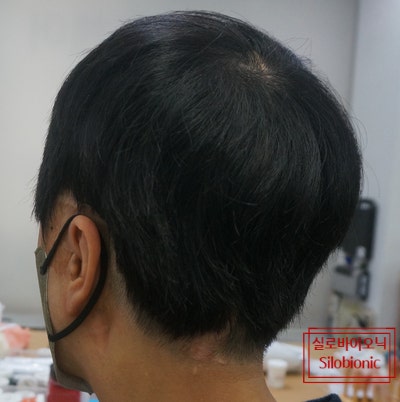
Even after losing most of an ear to a burn, you can wear a silicone ear modelled on your other ear, attached with medical adhesive. For this customer we kept the small flap in front of the ear canal (the tragus) and shaped the new ear to blend with it. Afterwards, our customer showed us the ear with a mask and glasses on together. Results vary from person to person.
What was the starting point?
Our customer had burn scarring running from the scalp to the ear, and much of the outer ear was missing. The tragus — the small flap in front of the ear canal — was still there, so we left it as it was and planned a silicone ear that would blend naturally into it.

After an accident or burn, surgical reconstruction is another option. Whether and when to have surgery is a decision to make with a plastic surgeon or other specialist; a silicone ear is a non-surgical way to restore appearance that you can consider alongside it.
How is a silicone ear attached?
No surgery is involved: the ear is attached to the skin with medical adhesive. We show you how to put it on, take it off and look after it on the day you receive it. If the area has burn scarring, please let us see your skin at the consultation.
Will it stay on with a face mask?
This is the question we hear most from people having an ear made. Our customer wore a mask with the strap over the new ear, and even from behind it stayed securely in place. How well it holds can vary with your skin, sweat and activity, so tell us about your routine and we will tailor our care advice.

Can I wear glasses with it?
Once the ear was finished, our customer had a new pair of glasses made to wear with it. They showed us the ear holding both the arm of the glasses and a mask strap, and from the side it did its job naturally.
How are the shape and colour matched?
| Stage | What happens |
|---|---|
| Consultation and casting | We take moulds of the affected side and your other ear to match size and contours, shaping the new ear to meet the remaining tragus |
| Skin-tone measurement | An E-SKIN scanner (SPECTROMATCH, UK) measures your skin tone digitally, and custom pigments are mixed to that reading |
| Fitting and final colour | You try the finished ear, colour is added to match your everyday ear tone, and we explain attachment and care |

The number of visits and the overall timeline depend on your ear, and we confirm them at the consultation — including online, if you are travelling to Korea. A silicone ear can wear gradually with use, so we provide after-sales support, and if a repair is not possible we will guide you through a remake. We aim for a result that is difficult to tell apart from a natural ear, but results vary from person to person.
What should I prepare before a consultation?
- Photos of the affected side — from the front, side and back, so we can gauge what remains and how far any scarring extends.
- Photos of your other ear — these guide the size and shape.
- Your daily routine — how often you wear glasses, a mask or a hat, and whether your work makes you sweat a lot, so we can tailor attachment and care advice.
Frequently asked questions
Can a silicone ear be attached over burn scars?
This customer had burn scarring from the scalp to the ear. Results can depend on your skin, so we check it in person and advise you.
What if part of my ear remains?
We can keep the remaining part and shape the new ear to blend with it. In this case we kept the tragus in front of the ear canal.
Will the ear come off when I wear a mask?
For this customer, it stayed securely in place with a mask strap over it. It can vary with your skin and activity, so we give you care advice to suit.
Is surgical reconstruction an option?
Yes. Decide on surgery and its timing with your doctors; a silicone ear is a non-surgical way to restore appearance that you can consider alongside it.