Microtia: what are the options besides surgery? Reconstruction, silicone ear prostheses and hearing support
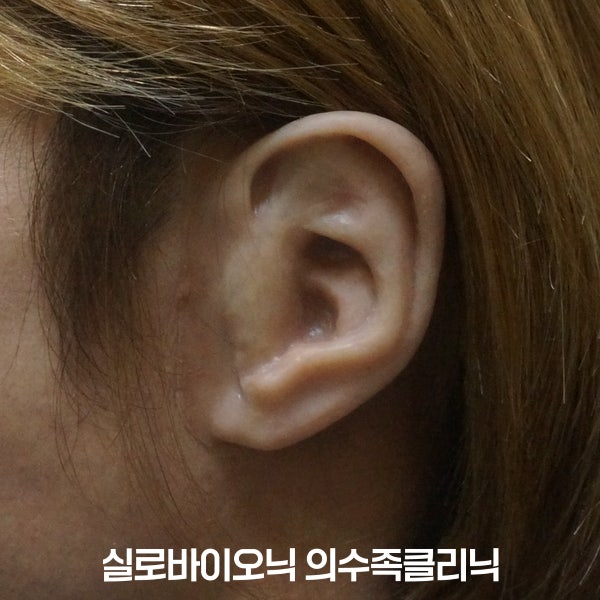
Microtia can be addressed in two main ways: ear reconstruction surgery, or a custom silicone ear prosthesis that is worn without surgery. If hearing is also affected, hearing support is discussed separately with an ear, nose and throat (ENT) specialist. The right choice depends on your ear, your health and your plans, so any decision about surgery should be made with your medical team.
What is microtia?
Microtia is a congenital condition in which the outer ear does not develop fully during early pregnancy, so a baby is born with an ear that is small or only partly formed. It usually affects one ear, though it can affect both. It is not only about appearance: the ear canal may be closed, or the middle ear may be underdeveloped, which can reduce hearing.
No single cause has been identified. Genetic factors, changes during the early development of the ear, and certain medicines or viral infections during pregnancy are all discussed as possible contributors. Your doctor is the best person to explain your own diagnosis.
What are the options?
| Option | What it involves | Things to consider |
|---|---|---|
| Ear reconstruction surgery | An ear shape is built from your own cartilage or a special implant | Requires anaesthesia, a hospital stay and recovery; your surgeon decides the timing based on growth |
| Custom silicone ear prosthesis | A silicone ear modelled on your other ear, attached with medical adhesive | No surgery, anaesthesia or hospital stay; it is removed and reattached as part of daily care |
| Hearing support | Options such as a bone-conduction implant hearing aid | Discussed with an ENT specialist when hearing is affected |
These options are not simply better or worse than one another; they suit different situations. Some people consider a silicone ear while waiting for surgery, when surgery is not right for them, or to refine the result after reconstruction. Decisions about surgery should always be made with your medical team.

How is a silicone ear made?
- Modelled on your other ear — we take a mould of your unaffected ear so that size and shape balance on both sides.
- Skin-tone measurement — an E-SKIN scanner (SPECTROMATCH, UK) measures your skin tone digitally, and we mix custom pigments from that reading.
- Medical-grade silicone — the folds and texture of the ear are sculpted in medical-grade silicone, with the final details finished by hand.
- How it is worn — it attaches with medical adhesive, so no surgery is needed.
The standard process is three visits and takes about 4–6 weeks from consultation to delivery, or 1–2 weeks with express production. Timelines depend on your ear.

Who is a silicone ear suited to?
- People waiting for reconstruction, or for whom surgery is not suitable
- People who would like to try a non-surgical option first
- People who want to refine the appearance of their ear after reconstruction
For children, a parent or guardian joins the consultation and any surgical plans are taken into account. We aim for an ear that is difficult to tell apart from a real one, but results vary from person to person.
Travelling to Korea for a silicone ear?
If you are coming from abroad, send us photos of both ears first and tell us about any surgery you have had or are planning. We confirm your schedule during an online consultation in English before you book travel. Whether express production suits your case depends on your ear.
If you live in Korea: is microtia registered as a disability?
Not automatically. Under Korea’s disability registration system, microtia may be assessed as a hearing disability or a facial disability, depending on the degree of hearing loss or visible change. You apply at your local community service centre with a hospital diagnosis, and the National Pension Service reviews the case. Criteria change over time, so check the latest guidance from the Ministry of Health and Welfare.
Frequently asked questions
What causes microtia?
No single cause has been identified. Genetic factors, changes in early ear development and some medicines or infections during pregnancy are discussed as contributors, and your doctor can explain your own case.
Does a silicone ear prosthesis involve surgery?
No. It is modelled on your other ear and attached with medical adhesive, so there is no anaesthesia or hospital stay.
Will a silicone ear improve my hearing?
Its purpose is to restore appearance. If your hearing is affected, ask an ENT specialist about hearing support such as a bone-conduction implant.
Can I have a silicone ear after reconstruction surgery?
Some people consult us to refine their ear after surgery. We assess your ear as it is now, and anything related to the surgical site is confirmed with your medical team.
How long does it take?
The standard process is three visits, about 4–6 weeks from consultation to delivery. Express production takes 1–2 weeks, depending on your ear.